1) Reading Conditions First: Firm Turf to Sloppy Dirt and How to Build a Track Condition Preference Surface
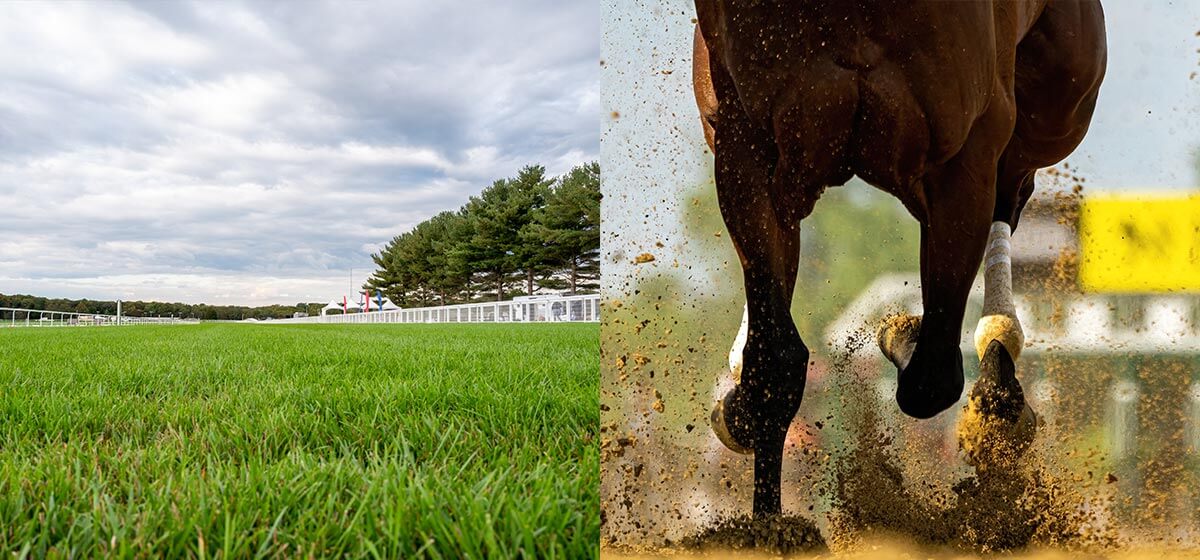
Start with the surface label because it shapes everything that happens after the gates open. Turf courses are posted as Firm, Good, Soft, or Heavy. Dirt tracks are posted as Fast, Muddy, Sloppy, or Sealed. Those words are not decoration. Firm turf tends to reward an efficient change of pace late, while Soft or Heavy turf saps energy and tilts toward horses with proven stamina. Fast dirt usually helps early speed, especially if a horse can secure the rail into the first turn. Sloppy or Sealed dirt can tighten the inside and allow speed to carry farther, although some venues develop an outside lane as moisture works out of the surface. If you begin every handicap by asking how that label has played historically at this track, your decisions improve quickly.
Turn those observations into a track condition preference surface for each horse. Keep a simple sheet that logs for every start the surface, the exact condition, the distance, the projected pace, and the figure earned. When a horse shows two or three big efforts on Firm turf but flattens on yielding ground, you now have evidence to lean on. Foreign form can help too. European runners who handle Soft or Heavy often bring that skill to American courses rated Good or yielding, and their late kick can hold up when domestic horses spin their wheels. Pay attention to scratches and shoe notes where published. A late scratch when rain arrives usually tells you something about a trainer’s confidence on that footing. Between races, watch maintenance. A midcard seal or a deep harrow can flip the best path in minutes. Update your view during the first two or three races and write down which lanes win and which run styles finish. That live log, tied to your notes, anchors your grass vs dirt horse racing choices in facts rather than guesses.
2) Horse Racing Grass vs Dirt: What Changes for Bettors
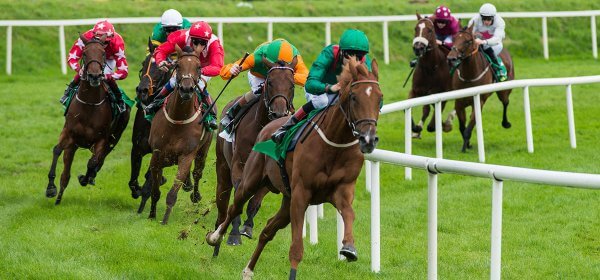
The biggest difference in horse racing grass vs dirt is how energy gets spent. Dirt races often break fast, string out, then slow down late. The horses who hold position into the first turn and avoid heavy kickback usually get first run. Turf races more often idle through the first half and finish with a sharp burst. That means early pace figures and post position can be decisive on dirt, while late pace ratings and the ability to quicken through traffic matter more on turf. Trips are earned differently as well. On turf, saving ground and sitting tucked behind cover prevent a horse from doing extra work around the turns. On dirt, a clean break and forward spot reduce the kickback that many horses resent when they are buried inside.
Action and stride give you additional clues. Horses with a long, low, daisy cutting motion often thrive on Firm turf because the surface returns energy cleanly. A more forceful, higher action tends to suit dirt, where grabbing purchase and coping with flying debris are part of the job. There are exceptions that your pace map should catch. A turf race with three confirmed leaders can flip into a setup for a closer. A dirt race with one honest front runner can become a walk in the park up front. Translate these reads into wagers. Turf sequences often reward Exacta and Trifecta structures that key logical stalkers with ground saving posts. Dirt is ideal for a confident Win bet or Daily Double when a forward horse projects to control the race. Calibrate price to setup. If you believe the surface and pace are handing your contender the right trip, demand a fair number and press when you get it.
3) Turf vs Dirt Horse Racing: Pedigree, Hoof Action, and Running Styles
Pedigree is not a final verdict, but it is a powerful filter in turf vs dirt horse racing. Many European turf families pass along balance and efficiency that shine on grass, while dirt focused American lines are famous for early speed and toughness. The dam line and siblings matter as much as the sire. If a mare consistently produces turf winners, or if a full sibling found another gear on dirt, that is a reliable signal when a lightly raced horse tries something new. Distance sits right beside pedigree. Some families carry speed well to a mile on dirt but struggle stretching to nine furlongs, while the same lines can stretch farther on turf where energy is deployed later.
Form meets build when you look at feet and action. Flatter, wider feet can skim over turf more easily, while rounder, cuppier hooves tend to grab and go on dirt. Paddock observations, interviews, and past performance patterns after surface switches can confirm what you suspect. Running style should align with the surface before you even open the odds. Turf’s late acceleration suits patient stalkers and closers who can wait, quicken, and thread through gaps. Many dirt tracks, especially when Fast, reward speed and pressers who secure the rail early. Trainer patterns matter. Some barns excel moving turf to dirt after a tightener on grass, while others have a knack for first time turf with a small tweak like removing blinkers to help a horse settle. Equipment and medication notes are small but valuable signals. Blinkers can sharpen gate speed on dirt. A quieter setup can help a horse relax on turf. When pedigree, hoof action, and running style all point the same way, you can shorten your fair price. When they conflict, you either ask for a much bigger number or you pass.
4) Dirt Track Horse Racing: Practical Tactics That Move the Odds
Dirt track horse racing rewards simple, disciplined trip handicapping. The break is not just another moment in the race. It is the moment. A clean start and control of the inside save ground and avoid traffic, which means less energy wasted. Upgrade horses with tactical speed drawn inside who break well. Be wary of habitual slow starters when the pace projection is honest. Kickback tolerance is another big divider. Some horses will hold position while taking dirt in the face, while others back out when pinned on the rail. Your replay notes and chart comments will tell you who is who, and that information often gets underpriced by the market.
Map the pace using figures and rider habits. Identify the horse most likely to make the top and the one most likely to sit second. Lone speed scenarios are green lights for a Win bet and for using that horse as a single in a Pick 3 or Daily Double. If two or three committed speeds line up, the advantage often shifts to an outside presser who can sit second, avoid the worst of the kickback, and get first run off the duel. Maintenance and moisture cycles can tilt paths through the day. A sealed track in the early races can favor the rail, then a drying surface late can make the outside lanes more lively. Keep adjusting. Class and stamina come to the front when sprinters stretch out. A fast sprinter can look brilliant for six furlongs then empty when asked to carry that speed a mile against a true router. Rider and trainer intent tie it together. Positive rider changes to aggressive gate riders and strong second off layoff numbers are classic go signals. Structure your tickets around those reads by pressing Win and Exacta positions when your pace map points to a control trip, and by building Trifectas that lean on pressers when a duel looks unavoidable.
5) Track Bias Handicapping: Spotting Inside or Outside and Speed or Closer Advantages Early
Track bias handicapping turns perception into profit when you measure it on the day. Build a simple log after the first two or three races. Write down which lanes won, which run styles succeeded, and how trips developed. If lane one and lane two are winning on a wet afternoon and most winners are either on the lead or pressing, the inside is probably live and speed is holding. Ground loss should be counted, not guessed at. A turf winner who circled three wide around both turns likely beat the course geometry and deserves an upgrade next time. A dirt horse who hugged a golden rail might have looked better than he is and could be overbet in the next start.
Jockey choices are a useful tell. When several riders dive to the rail or avoid a path, they are voting with their decisions based on feel underfoot. Weather tendencies are real but still need confirmation. Sloppy or Sealed dirt often favors speed and the inside early, while yielding or soft turf tends to blunt late kicks and reward stamina and balance. Meet specific patterns deserve their own page in your notebook. Some tracks consistently show inside lanes on wet days because of grading and base composition, while others open up outside lanes as the surface dries. Stay alert for flips. A brief shower, a patch of sun, or a midcard maintenance pass can move the best lane in minutes. Tie bias back to the bet. Press only when the bias and the expected pace work together for your horse. If they do not, shift toward vertical exotics that still leverage the bias or save bankroll for a better spot. Integrate the phrase grass vs dirt horse racing track bias handicapping into your routine as a reminder to measure, not assume.
6) Case Study: Mendelssohn and What Performance Teaches About Surface and Condition Preference
The Mendelssohn horse profile is a clean example of why context beats labels. He is by Scat Daddy, a sire known for versatility across surfaces. As a two year old he won the Breeders’ Cup Juvenile Turf, which showed class and balance on grass. The following spring he demolished the UAE Derby on fast dirt at Meydan with a clear break and a pace he could control. That performance proved he carried real dirt ability when free of traffic and heavy kickback. A month later in the Kentucky Derby he had a troubled start in a large field on a wet track, took significant debris, and never threatened. The change in conditions and trip explains the swing more than any simple turf or dirt tag.
Viewed through a track condition preference surface, the pattern holds together. On fast dirt with a clean trip, Mendelssohn’s cruising speed translated into a top figure. In deep kickback or chaotic traffic, his strengths were neutralized. Shipping and race shape added more layers. Travel can affect energy reserves, and the presence of other speed changes how a race unfolds. Success at Meydan does not guarantee the same outcome on every North American dirt track because surface composition and maintenance differ. The lesson for bettors is straightforward and practical. Build a matrix for each runner that lists surface, condition, preferred trip, and tolerance for traffic or debris. When the same winning ingredients return, you can shorten your fair price with confidence. When one or more pillars are missing, demand a bigger number or pass. That approach keeps turf vs dirt horse racing decisions grounded in evidence and turns a high profile example into an everyday process you can use across circuits.