1) From DNA to Derby Day: A Plain-English Guide to Horse Racing Genetics
Horse racing genetics gives bettors a practical way to frame what they see in the past performances. Some traits pass through families with enough regularity to matter at the windows. Conformation, maturation tempo, stride efficiency, and overall body proportions show meaningful heritability. When a family repeatedly produces balanced, athletic frames that stay sound and carry energy late, that is useful information in maiden races and early allowance spots. Other traits lean hard on training, placement, rider decisions, and day to day health. That means pedigree should guide your expectations, not dictate them. It sets the map, but the trip still depends on conditioning and circumstances.
Speed versus stamina begins at the biological level. Sprinter types rely on anaerobic energy systems that deliver short, sharp power. Stayer types rely on aerobic capacity that fuels sustained effort. You can put this to work without a lab report by looking at close relatives and the distances where they earned their wins. If a page stacks sprint wins and early fractions, that points toward success at five to seven furlongs. If the family repeatedly finishes with energy at a mile or beyond, late punch is more likely to appear when the pace turns honest.
Surface orientation is another layer bettors can use. Some Thoroughbred bloodlines show a long track record on turf, often tied to efficient, lower action and a light way of moving. Others thrive on dirt where traction, acceleration, and resilience under kickback are at a premium. Keep circuit notes on which sires and broodmare sires deliver results on your local surface because track maintenance and climate shape outcomes.
Development windows matter as well. Early peaking lines often fire as two year olds and carry speed around one turn. Later developers improve with distance and seasoning, sometimes looking ordinary until they try two turns. Weight genetics with what the horse is doing right now. When pedigree and recent form agree, confidence rises. When they conflict, let price decide. That is where thoroughbred breeding pedigree theories turn into probability rather than guesswork. Used this way, genetics helps you choose when to trust a stretch out, when to expect improvement on turf, and when to demand a better price before you commit.
2) Under the Hood: Muscle Fibers, VO2 Max, and Mitochondrial Clues
Speed and stamina become visible through muscle fibers and oxygen delivery. Fast twitch fibers fire quickly and favor short distances. Slow twitch fibers sustain aerobic work and favor routes. Individual horses carry a blend, yet families often lean one way. When a sprint leaning pedigree cuts back from seven furlongs to six after chasing hard to the eighth pole, that cutback can unlock the profile. When a route leaning pedigree adds ground after finishing with interest at seven furlongs, the stretch out can turn potential into results.
Aerobic capacity shows up in late strength and recovery. You can read it indirectly in gallop outs, spacing, and how a horse handles quick returns. Stamina types keep their stride late and often come back on a steady work pattern. They improve with conditioning because their engine benefits from longer, progressive loads. Horses that rely on short power can look brilliant once, then flatter when asked to repeat without enough spacing or with a pace that does not suit their energy system.
Mitochondrial DNA passes through the dam line and relates to cellular energy production. Bettors do not need to measure it to benefit from its pattern. Strong female families that repeatedly produce reliable runners with late kick deserve a longer look, especially when the surface or distance promises a fair pace. Treat this as a supporting signal, not a verdict. Genotype does not guarantee destiny. Training decisions, soundness, and mental tractability can amplify or mute any inherited tendency.
Debut clues are straightforward. Sprint leaning pedigrees paired with sharp gate drills tend to show early foot first time out. True router profiles on debut are rarer. Many barns give those horses an education at shorter trips, then ask more when they move to two turns. Align this with your pace map. If the debut shape looks competitive at the break, a sprint pedigree can win on talent. If the shape calls for sustained pressure, a route pedigree may move forward at longer distances.
The point is not to play amateur geneticist. It is to find clues that repeat often enough to shift probabilities. When a family profile, barn pattern, and recent work schedule point in the same direction, you can act with conviction. When they splinter, let price protect you until the picture clarifies.
3) Pedigree or Prophecy? Pedigree Theories vs. Evidence You Can Bet
Pedigree analysis earns its keep when it respects both sides of the family and asks for proof on the track. Stallions dominate headlines, yet broodmare sires and deeper female families often tilt the outcome on distance and surface. That is why past performances that list the dam’s win type and the broodmare sire’s profile are more than decoration. If the page shows repeated turf success on the dam side, a dirt to turf move can make immediate sense. If the page stacks route wins, a stretch out should not surprise anyone who took notes.
Inbreeding and linebreeding concentrate specific ancestors. A moderate coefficient can fix desired traits like balance or competitive resolve. Excessive concentration can raise the chance that flaws appear when the horse is asked for maximum effort. The number is not a bet by itself. Use it as context for what you see in conformation notes, running lines, and workout patterns.
Nicks summarize how two families or lines have performed together across many matings. They are historical scorecards, not proof of future performance. Favor crosses with large, recent samples and outcomes that match today’s conditions. A cross that shines at turf miles may tell you little about a dirt sprint. Treat a high nick as permission to look closer, not as a free pass to the winner’s circle.
Dosage attempts to cluster influential ancestors by aptitude. It can hint at whether a classic route sits within reach, especially when supported by form and fitness. Use dosage as a starting point, then look at how the horse earned its figures. Was the late pace authentic or inflated by a collapse? Did the horse finish with energy or paddle under pressure? Those answers matter more than any number.
The strongest view blends these pedigree signals with real evidence. Start with speed figures and where they came from. Add a projected pace map. Note any track bias that might help or hurt the preferred style. Layer trainer patterns for stretch outs, turf moves, and class placement. Thoroughbred breeding pedigree theories become valuable when they agree with these other pillars. When pedigree points to more ground and the horse just ran through the wire at seven furlongs, you have alignment. When pedigree hints at turf and the barn reaches for grass with a rider who excels at that move, you can act. When the signals pull in different directions, demand value and let the board pay you for taking on uncertainty.
4) Bloodlines That Breathe Fire: Reading Sire Lines and Female Families
Thoroughbred bloodlines produce recognizable fingerprints that you can test on your circuit. Some sire lines consistently throw horses that blast from the gate and carry speed around one turn. Others deliver rhythm horses that improve as distances lengthen. Treat reputations as hypotheses and check them against local results by surface and distance. What wins at Santa Anita on firm turf can look different at Aqueduct in the winter. The same sire may appear to change character because track profiles and weather shift the demands of each race.
The dam side provides a quieter, consistent anchor. Broodmare sires and female families that repeatedly deliver turf class or late stamina deserve space in your notebook. These patterns help you separate two contenders who look identical on figures. A dam who has already produced multiple turf winners by different sires gives you confidence that a new foal will handle grass without surprise.
Sibling information adds context. A full sibling’s success at a distance carries real weight, especially if the conformation notes line up. A half sibling by a different stallion is less predictive because the sire can change body type and energy distribution. Even with full siblings, treat the data as probability. Different individuals develop at different rates and under different training styles.
Regional translation completes the picture. A stallion who dominates at Keeneland in the spring may not show the same edge at Gulfstream in deep winter. Keep circuit specific stats on leading sires and broodmare sires, then adjust when a horse ships in from a different environment.
To work quickly on race day, use a one minute PP scan. Start with the dam’s produce record and win types. Note the broodmare sire’s strongest surface. Check how the immediate sire line performs at today’s configuration. If two of these three points agree and the trainer places the horse in a logical spot, you have an angle worth betting if the price cooperates. If the clues scatter, lower confidence and wait for a better setup. This is the practical side of horse racing genetics. It turns a page of names into a short list of tendencies that can signal a live turf debut, a successful stretch out, or a risky experiment that requires a bigger price.
5) Selective Breeding: Engineering Speed, Stride, and Staying Power
Selective breeding of racehorses aims to balance burst and carry. Breeders often pair raw speed with proven stamina to create foals that can win early, then grow into longer distances as the frame fills out. Bettors see this plan when a two year old takes a five and a half furlong maiden, then returns at three to capture a mile allowance with a steady late run. The blueprint works best when conformation supports the goal.
Conformation ties the pedigree page to what appears between the rails. Shoulder and hip angles, length of rein, loin strength, and overall balance shape stride and energy use. Compact, powerful builds match sprints where quick acceleration and high cadence pay dividends. Longer frames with strong hindquarters tend to route well because they maintain rhythm and reach when the pressure rises in the final furlong. None of this forces a horse into one lane forever, but it guides your expectations and helps you see why certain moves succeed.
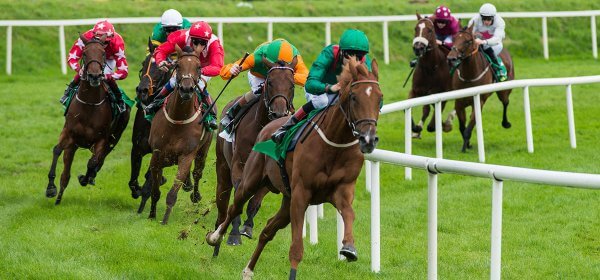
True sprinter archetypes share familiar running lines. They break sharply, carve out fast fractions, and risk flattening late when asked to carry speed beyond comfort. When a sprinter tries a mile, the bet only makes sense if the pace scenario softens or the rider secures an uncontested lead. Without those conditions, a fair price is the only protection. Classic stayer profiles look different. These horses do not always dazzle at the break. They build through the far turn and sustain a drive that punishes rivals as oxygen debt sets in. They do their best work with conditioning, distance, and riders who ration early energy, then ask decisively in the final quarter.
Trip translation turns these ideas into wagers. Some pedigrees need a meltdown up front because they lack a quick turn of foot. Others need a steady, honest tempo to grind through. If the projected shape does not match the profile, patience is smarter than optimism. Genetics, conformation, and race conditions should tell the same story. When they do, you can step in with confidence. When they do not, wait for the alignment that pays.
6) Inside Modern Breeding Programs: How Matings Are Designed Today
Modern Thoroughbred breeding programs combine data and horsemanship to design matings. Stud farms and consultants mine performance databases that track win types, distances, and surfaces across many seasons. The idea is simple. If a stallion’s progeny repeatedly win at six furlongs on dirt, and a broodmare line produces quick learners with reliable gate speed, the cross aims for a foal with early commercial appeal and on track speed. The same logic targets classic routes when both sides show endurance and efficiency. Auction markets react to these trends, which means bettors will see hype when a page fits what buyers want.
Conformation correction is a second pillar. A mating often aims to offset a dam’s flaws by choosing a stallion known to add balance, length, or stronger hind end mechanics. If a mare tends to produce downhill builds or short necks, planners look for a stallion who lengthens the frame and stabilizes the stride. When a flaw persists across multiple foals, bettors will notice similar trip liabilities, such as difficulty cornering cleanly or shortening stride under pressure.
Broodmare management produces reliability signals that pay off at the windows. Age, produce consistency, and the quality of earlier foals shape expectations for the next runner. A mare who has delivered several winners, including one that stays a mile, offers a safer base than a brand new producer with no record. Stallion book dynamics add noise that needs sorting. Popularity can swell a stallion’s book without creating depth. The question is whether large books turn into widespread success or only a narrow band of elite runners in top barns.
Many farms and stables develop a house style. One program raises gate quick sprinters that thrive at six furlongs. Another route tough grinders that improve with distance and time. When you recognize the style and then see a graduate placed in a spot that matches it, you gain a quiet edge before the public catches up. This is where horse racing genetics meets management. The mating table sketches the blueprint. Conditioning, soundness care, and trainer placement decide how much of that blueprint appears when the gates pop.
7) Horse Breeding Technology: Genomics, Nicking Algorithms, and Modeling Tools
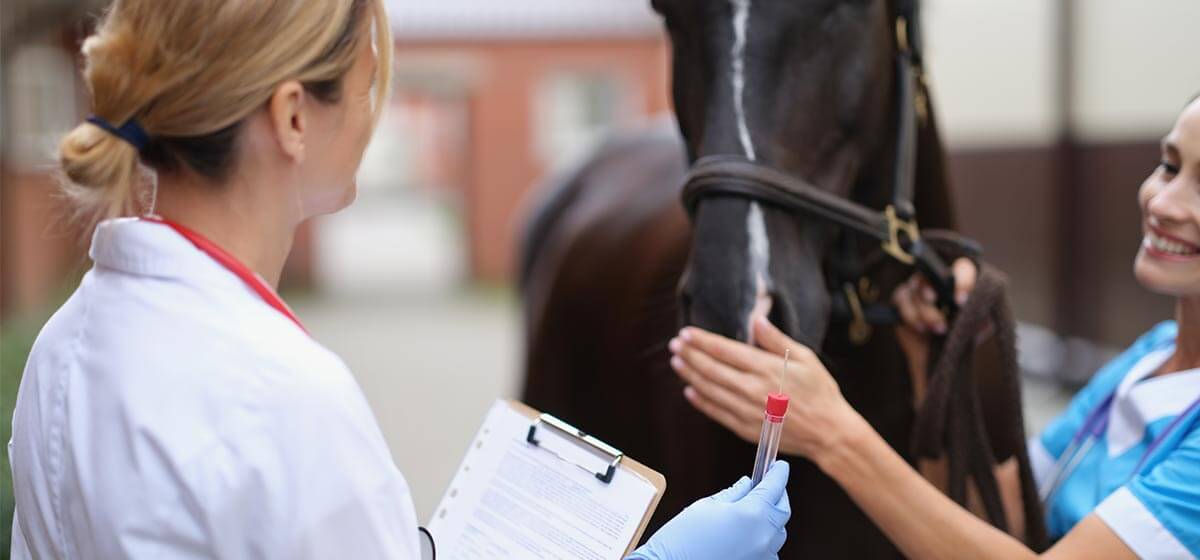
Horse breeding technology has widened the toolkit without replacing common sense. Genomic markers linked to speed or stamina offer probability nudges, not guarantees. Performance in racing is polygenic and sensitive to environment, so a single marker will not carry you to the cashier. Bettors can still benefit when a lab result lines up with what the page and the work tab already suggest. When a turf leaning pedigree also scores well on markers tied to aerobic efficiency, a dirt to turf move gets a small credibility boost.
Popular talk about a single speed gene simplifies a complex picture. Strong analysis weighs multiple loci, biomechanics, and live performance. That is why many professionals still lean on stride analysis, motion capture, and detailed conformation review. Biomechanics translate movement into metrics such as stride length and frequency. Workout notes that mention a long, efficient stride often corroborate a pedigree that leans toward turf routes. A rapid, high cadence can match a six furlong specialist who wins with position and acceleration.
Algorithmic nicking at scale gives breeders a broader sample of past crosses. It can surface useful trends that individual memory would miss. The risk is selection bias and survivorship that exaggerate what worked. Bettors should use nick information to confirm distance and surface goals, then demand proof in real races. Auction analytics also shape opening odds because high sale prices attract attention. A sale topper stepping into a maiden can take more money than the raw probability warrants, especially against seasoned rivals. When figures and placement do not support the hype, overlays appear in the rest of the field.
These tools fit inside a simple betting framework. Use technology to organize probabilities around distance, surface, and development timing. Let proven form, logical placement, and trainer patterns lead. When technology, pedigree, and current condition all point to the same outcome, you can take the bet at fair odds. When they scatter, scale down and wait for clarity. The edge always comes from translating information into a price that the crowd has misjudged.
8) Turning Genetics into Bets: Matching Pedigree to Trip, Pace, and Conditions
The bridge from genetics to profit runs through distance, pace, and surface, then ends at the tote board. Distance placement calls appear in nearly every card. A horse bred to stay that finished with energy at seven furlongs often moves forward at a mile because the longer run allows the engine to operate at its preferred rhythm. A pure sprinter cutting back from seven to six can bounce back sharply when early speed is its best weapon and the cutback removes the late vulnerability.
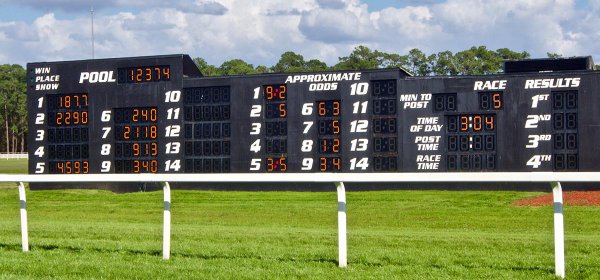
Pace shape converts these profiles into tickets. Stamina pedigrees gain value in projected hot paces because they will be running while others flatten. Need the lead types lose appeal if multiple burners draw inside and outside of them. Build a pace map from running lines, not hopes. If you expect a meltdown, look for a family that repeatedly produces closers who sustain a run rather than only a quick burst. If you expect a controlled tempo, prioritize profiles that hold position and quicken at the quarter pole.
Surface switches demand purpose. Dirt to turf works when the family leans grass through the broodmare sire or proven turf siblings. Turf to dirt can succeed when the horse shows efficient action and fast early foot, paired with a trainer who wins with that move. Local track profiles add texture that generic rules cannot match. One turn miles, downhill turf sprints, and synthetic routes create distinct demands. Keep a notebook listing which Thoroughbred bloodlines repeatedly handle your track’s quirks so you can act quickly when similar pages appear.
Class calibration ties the picture together. Pedigree ceiling helps you interpret drops and raises. A blue blood dropping in class could be a clearance, but it can also reflect a confidence play if the works sparkle and the barn spots aggressively. Weather and going can flip turf assumptions. Soft ground often rewards deep staying families that keep traction while sharper types tire. Adjust your fair odds when the course rating changes.
Ticket construction finishes the job. Spread when genetics, form, and pace disagree. Single when distance and surface fit the pedigree and the projected shape cooperates. Build an internal fair line, compare it with the board, and let the price determine whether you play, pass, or press. That is how thoroughbred bloodlines and horse racing genetics become a living part of your bankroll strategy.
9) Beyond the Hype: Breed Specialization and Why Thoroughbreds Dominate Flats
Understanding breed specialization prevents costly mistakes. Thoroughbreds dominate flat racing from five to twelve furlongs because centuries of selection favored stride length, cardiovascular capacity, and a turn of foot suited to sustained galloping. Quarter Horses own ultra short tests built on explosive acceleration over a few hundred yards. Standardbreds carry stamina in harness races where pacing or trotting gaits and even tempos create a different athletic challenge. Each code rewards a distinct engine and stride pattern.
Keeping these lanes separate protects your handicapping model. Angles about break speed in Quarter Horse racing do not translate cleanly to late pace in a turf mile. Even inside Thoroughbreds, regional traditions shape race flow and breeding targets. The United States often prizes early speed and tactical position, which pulls many Thoroughbred breeding programs toward foals that handle fast fractions and turn efficiently around one turn. Europe prizes stamina and turf turn of foot, which rewards families that relax early and lift late over longer distances. These preferences ripple through stallion selections, broodmare rosters, and training practices. They eventually show up in how races are run and won on both sides of the Atlantic.
Surface and distance lanes within the Thoroughbred world also matter. Some families thrive on firm turf at a mile and deliver a precise, efficient change of gears at the quarter pole. Others grow stronger with every added furlong and show their best on soft ground that tests endurance. Dirt oriented lines can prefer specific seasonal surfaces, from deeper winter tracks to tighter, faster summer dirt. When you respect these lanes, you avoid forcing a pedigree into conditions that do not fit. That protects your bankroll and opens value where the public leans on branding rather than function.
The best horse breeds for speed each rule their space. Your job as a bettor is to know the space you are wagering in, then choose pedigrees and barns that were built for that exact job. That clarity turns marketing noise into a price you can exploit.
10) From Foal to Finish Line: Management, Training, and Your Bettor’s Checklist
Genetics sets the potential, but management converts it into performance. Early education matters because it turns raw ability into reliable habits. Horses that learn to break cleanly, settle, and change leads on cue use less energy for the same result. Barns known for professional preparation often send out maidens who look seasoned from the first jump. That shows up as efficient trips that do not waste ground or effort.
Soundness and spacing write the other half of the story. Layoff patterns, steady work tabs, and consistent race spacing can signal durability, which extends the value of a strong pedigree across a campaign. Repeated interruptions and stop start schedules often mute bloodline advantages. Trainer specialties connect directly to the bets you build. Some barns stretch horses out with precision because they put in the aerobic base and teach relaxation. Others excel in turf switches or marathons. Align those strengths with the pedigree’s distance and surface lean to refine your strike zone.
Reconcile works with distance DNA. A sizzling three furlongs can confirm readiness for a sprint, but it does not promise a mile. A route bred horse that posts steady, building drills may be geared to improve the first time it tries two turns. Placement and intent are the final tells. Class drops, starter allowances, and allowance raises reveal how a trainer reads a horse’s ceiling. When placement respects the pedigree’s lane, confidence rises. When placement fights the pedigree without supporting works or figures, caution is smart.
Close every race with a short internal routine. Confirm the pedigree fit for distance and surface. Map the pace and decide where your horse sits. Check trainer pattern relative to the move. Note any track profile or bias. Adjust for weather and going if you are on turf or a moisture sensitive surface. Build a fair odds line and compare it to the board. Pass if the price is wrong. Press if value appears. This simple, repeatable process brings Thoroughbred bloodlines, horse racing genetics, and daily form into one clear frame. Over time, that clarity shows up where it matters most, which is the return on your Exacta, Trifecta, and multi-race tickets.