1. Why Conformation Matters to Bettors
Thoroughbred conformation is the foundation of everything a racehorse can do. It describes the way the bones, joints, muscles, and proportions fit together, and it is not just a breeder’s curiosity. For bettors, it is a lens that reveals potential before the gate opens. A horse with balanced structure will usually move with less wasted effort, absorb training more smoothly, and repeat performances with fewer hiccups. One with structural weaknesses may sparkle for a week and then go quiet for a month because small inefficiencies add up when the pressure rises. If you handicap only by figures and charts, you are reading yesterday’s news. Thoroughbred horse conformation lets you look forward and judge what kind of race a horse is built to run today.
Think about how efficiency translates into dollars. Efficient movers spend less energy to travel the same ground, which means they have more to give in the final furlong. That extra bit of fuel often separates a winner from a horse that flattens late. Horses with balanced builds also cope better with routine training stress. They miss fewer days, keep their rhythm, and show up ready, which produces the kind of steady form that bettors can trust. On the other side are horses with awkward angles in key joints or uneven development through the shoulders and hindquarters. Their motion tends to be choppier. They tire sooner and, more importantly for handicappers, they rarely hold peak form for long.
Track configuration and surface condition make conformation even more relevant. A well balanced horse will corner cleanly at a tight oval and maintain speed through the turn. A long, efficient mover can stretch out on a course with generous bends and show that strong, seamless stride. Dirt that compacts to a firm base rewards certain limb angles and pastern types, while cut in the ground on turf favors horses that cushion the impact. Understanding these interactions is not guesswork. It is applied observation that links the science of equine biomechanics to real betting decisions. When you read a past performance line, pair it with the body in front of you. That is where edges live, whether you are building a Win play or shaping an Exacta with a live overlay.
2. The Science of Equine Biomechanics
Equine biomechanics explains how the horse’s structure turns into motion. It covers stride length, stride frequency, joint range, muscle power, and the way all those pieces coordinate. In practical terms, it tells us why one horse breaks like a rocket while another builds speed gradually, and why some can finish with a second burst after the eighth pole. Stride length is easy to notice. Long, ground covering strides let a horse eat up distance with fewer steps. Stride frequency is the other half. Quick, rhythmic footfalls can produce sharp early speed. Winners come in both styles, but the common thread is efficiency. Efficient movers convert muscular effort into forward motion with minimal waste.
Balance is the quiet hero in equine biomechanics. A balanced mover stays organized as the pace changes, keeps the shoulders and hips in sync, and holds a level topline when the rider asks for more. That balance preserves momentum on the turn and supports a clean lead change in the stretch. Horses that bob or drift lose force with every stride. Over five or six furlongs, that loss might not show as much. Over a mile and a sixteenth, it becomes obvious. When you watch replays, look for smooth acceleration that looks almost casual. That is the sign of a horse whose biomechanics are supporting the effort rather than fighting it.
Biomechanics also clarifies running styles. Sprinters often rely on rapid stride frequency and powerful push from the hindquarters. They light the fuse early and try to carry that speed. Routers usually have a slightly lower frequency but better stride economy, which lets them settle and then build. This is why some horses look one paced at six furlongs but wake up the moment they try a mile. For bettors, this is actionable. If a horse with efficient, rolling movement stretches out for the first time, you do not need to guess whether the added ground will help. The motion is telling you. Integrate that with pace projections and you have a clearer picture of who can finish.
Surface magnifies the same principles. Firm dirt rewards a stride that stays quick and organized with a stable forelimb column, while turf rewards elasticity and quick balance adjustments when footing varies mid-stride. When the track comes up wet, efficiency and balance matter even more because each step asks the body to stabilize before pushing again. Equine biomechanics is not theoretical in the betting booth. It is a tool that helps you select the right horses for the right trips, whether you are keying a Win bet or building a Trifecta that leans on a strong finisher.
3. Key Conformation Traits That Define a Thoroughbred
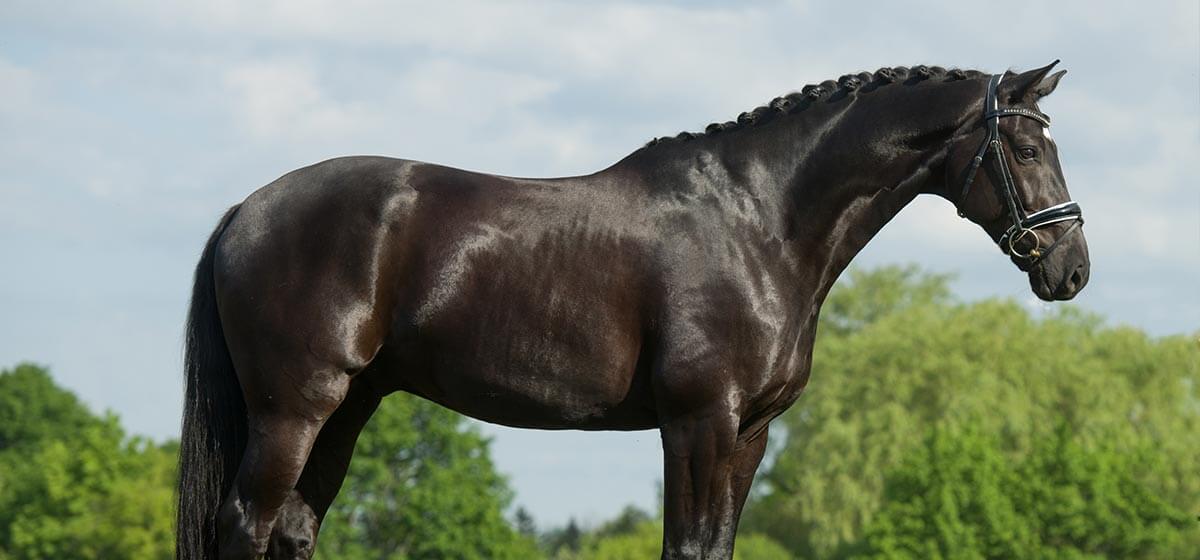
To turn conformation into handicapping insight, focus on a few key regions that drive performance. Shoulders set the tone for reach. A sloping shoulder usually pairs with a longer stride and a smoother action. An upright shoulder often shortens reach and pushes effort into a more vertical motion. Neither trait alone guarantees success, but it sets expectations for distance and style. Forelegs matter because they absorb repeated impact. Straight, properly aligned knees and cannons spread force evenly through the column of bone and soft tissue. Back at the knee, sometimes called calf-kneed, shifts stress in a way that can sap efficiency and raise the risk of soreness that interrupts training.
The back and coupling influence how the engine connects to the ground. A shorter back often supports quick power and agility. That helps in sprints and in races where rapid changes of pace decide outcomes. A longer back usually pairs with reach and relaxation, which helps at route distances. The chest and barrel relate to capacity. A deep heart girth gives space for the lungs and heart. That trait correlates with stamina because the body can deliver oxygen more effectively as the pace rises. Again, it does not guarantee talent, but when all else is equal, greater capacity supports sustained effort.
Hindquarters are where power lives. Well muscled hips with a good angle from pelvis to femur create strong push off the ground. You will see it in the way a horse accelerates without climbing. If the hindquarters look light for the frame, expect effort to come in quick bursts rather than a grinding finish. Pasterns are the unsung absorbers. Sloping pasterns cushion impact and can be kind to joints on firm footing or turf. Very upright pasterns stiffen the ride and may feel harsh on hard ground, which can show up late as a fade.
When you stand in the paddock, take the whole picture in. Proportions should feel harmonious. The shoulder, back, and hip should look like they belong to the same athlete. The neck should tie in smoothly to the withers and the head should sit balanced rather than high and tense. These are the practical checkpoints that connect thoroughbred conformation to race outcomes. If today’s conditions ask for a fighting sprint, a compact, muscular horse with a quick, efficient action fits the bill. If the card calls for a turf route, a longer, elastic mover with depth of body and reach will often deliver. Match the body to the assignment, then shape your Win or Exacta accordingly.
4. Speed vs. Stamina: How Build Shapes Racing Style
Every body tells a story about distance. Compact horses with short backs and dense muscle behind the saddle tend to break fast and hold speed over short trips. They coil and spring. That anatomy is perfect for five to six furlongs when races can be won by seizing position and daring others to catch up. Ask that same body to carry speed over nine furlongs and the geometry starts to work against it. The action gets taller, the stride gets shorter, and the finish becomes a grind. Long, rangy horses flip the script. Their frames favor stride length and smooth leverage. They may look ordinary in a dash because they need a few strides to find rhythm, but give them a mile and they travel with less friction.
Pastern angle and hoof mass influence comfort across surfaces. Horses with slightly sloping pasterns often show a more forgiving feel on turf or softer tracks because each step is cushioned. Horses with more upright pasterns can look sharp on fast dirt where the ground returns energy quickly, but the ride may turn choppy when moisture softens the base. Leg column alignment matters as the distance rises. Minor deviations that do not hurt a six furlong try can become liabilities in long routes where repetitive loading exposes inefficiency. This is why a horse that looks fine at seven furlongs can look labored at ten.
Turn geometry magnifies type. Tight turns favor horses with quick balance who plant and go without losing the hind end. Sweeping turns reward long, level strides that maintain speed without interruption. If a horse has been finishing one paced at a tight oval, a move to a track with broader bends can be a genuine boost. Conversely, a horse that prefers to corner like a motorcycle may not show the same pop when the turn is wide and the test becomes a long, steady drive.
For bettors, the goal is not to memorize textbook rules. The goal is to connect build to today’s task. If the race is a sharp sprint over a firm track, prioritize compact power and quick cadence. If the race stretches out on turf with a long stretch, lean toward elastic movers with reach and balance. When you align conformation with distance and surface, you are no longer guessing about stretch-outs or cutbacks. You are selecting horses whose bodies agree with the plan, which improves the quality of your Win bets and lifts the hit rate of your Trifectas and Superfectas.
5. Stride Mechanics and Balance in Action
Stride is where theory turns into something you can see. The best racehorses look like they are saving energy while going fast. Their feet touch down and leave the ground with a steady rhythm, the topline stays level, and the nose floats rather than bobs. They do not scramble in the turn. They stay in their lane and change gears without drama. That is stride efficiency, and it is the clearest outward sign that equine biomechanics are working in harmony with conformation. Horses with this kind of movement can accelerate twice in a race. They move to position and still have a second lift for the drive.
Lead changes deserve special attention. Thoroughbreds switch from one lead to the other to share load between limbs. A clean, timely switch at the top of the stretch conserves energy and improves coordination. Horses that delay the change or swap repeatedly waste motion and sometimes hint at discomfort. Watch replays and you will see the pattern. The efficient finisher changes once, levels out, and goes on. The tired or unbalanced horse fights the switch, drifts, or shortens stride. When you see that, adjust your expectations for distance and surface until the horse proves otherwise.
Balance around turns is equally important. At a tight track, balance lets a horse hold speed without leaning or losing the hind end. At a track with broad turns, balance keeps the frame aligned so every ounce of effort pushes forward rather than out. You can assess this in warm-ups. Horses that negotiate the bend with a smooth, low arc tend to carry that economy into the race. Horses that lift, swap, or bow out waste effort before the real running starts.
Gallop-outs after the wire tell a useful story. A horse that continues with purpose, staying level and straight, often owns a reserve of stamina that does not always show on paper. A labored gallop-out can signal that today’s distance was at the edge of comfort. None of these observations exist in isolation. They are small tiles in a mosaic. When you line them up with past performances and pace scenarios, they point you to horses that will produce a finish and away from those that will fight their own bodies. That is the kind of edge that turns a $10 Win into a $20 return and lifts the return on a $1 Exacta box when others are guessing.
6. Spotting Strengths and Flaws That Matter
No horse is perfect, so the task is to separate manageable quirks from liabilities that drain performance. Some strengths carry across settings. A long, sloping shoulder usually pairs with a long, smooth reach. A deep heart girth often accompanies staying power. Sloping pasterns cushion impact and can be friendly to joints across a busy campaign. An uphill frame that rises slightly from withers to croup can help a horse push forward with power rather than lifting. These traits do not guarantee a win, yet they set a high floor for reliability. Horses who show them tend to cope with changing pace and still finish.
Certain flaws demand caution. Sickle hocks bring the hind legs too far under the body, which can shorten the push phase and strain soft tissue under heavy work. Upright pasterns stiffen the ride and can turn a firm dirt surface into a pounding treadmill, which wears on joints and can sap late strength. Back at the knee shifts stress to weak angles in the forelimb and has long been associated with training interruptions. Offset knees change tracking and can make a stride wander. Any one of these flaws can be present in a successful horse, but the risk grows with distance, pace pressure, and a demanding schedule.
As a bettor, read the form through this lens. Frequent layoffs, gaps in published works, or a pattern of sharp run followed by several weeks away can be the footprint of a horse whose body needs more time to recover. That does not mean you must toss the horse. It means you should demand a price or insist on perfect conditions. In contrast, a horse with modest figures but strong structure can be ready to step forward when distance or surface finally fits. The public often underrates that type because the last race does not sparkle. Conformation helps you see the coming improvement.
Trainers can manage some flaws with smart placement and careful routines. Light breezes for a horse with upright pasterns. Targeted conditioning to stabilize hocks. Strategic spacing to help a calf-kneed horse stay comfortable. When you notice a barn making those choices and the horse responds, trust the pattern. Conformation is not destiny. It is a guide to probability, and probability is the bettor’s native language whether you are crafting a straight Win or building a Pick 3 with a live single.
7. Reading Conformation in Young Horses and Maidens
Maiden races are where conformation knowledge pays in plain sight. With little or no record to study, the paddock becomes your form guide. Start with symmetry. Stand back and let your eyes read left to right. Good young horses carry muscle evenly through the shoulder, along the back, and over the hip. Their necks tie smoothly into the withers. Nothing looks oversized or underbuilt for the frame. When symmetry clicks, movement usually follows. Watch the walk. Smooth, rolling steps with a relaxed head and a level back signal efficiency. A choppy gait, high head carriage, or a short step behind suggests tension or structural limits that might show up late in the lane.
Demeanor matters in juveniles. Bright eyes and focused curiosity are positives. Anxiety without purpose wastes energy before the start. Trainers try to teach rhythm in the post parade and during warm up. A youngster who listens to that rhythm is more likely to use its new body well when the gates pop. Lead changes are not always polished in first timers, yet you can still learn. If the colt or filly swaps leads cleanly in the lane during a work or a debut, that control often translates into a better finish when competition stiffens.
Early physical traits offer clues about where improvement will come. A two year old with a deep chest for the frame, clean knees, and a hip that looks like it already belongs to an older horse has the tools to handle training and respond to distance. Another with a lighter hind end might show a flash of speed and then wait for the body to catch up. None of this replaces pedigree and clocker notes. It complements them. Pedigree tells you what might be inside the genes. Conformation tells you how those genes have shown up today.
Because public money in maidens often follows fashionable barns and bullet works, overlays appear when a well built but low profile runner walks into the ring. If the stride is smooth and the balance is obvious, you can justify a Win bet at a fair price or use the horse as a key underneath in an Exacta or Trifecta. Over time, this habit of reading the body produces steady returns because you are betting on motion rather than hope.
8. The Breeding Blueprint: Conformation Passed Down
Selective breeding aims to stack the odds in favor of balance, soundness, and the right kind of power. Conformation traits are heritable to a meaningful degree, so patterns appear in sire lines and families. Some lines produce turf runners with elastic strides and deep bodies that stay the trip. Others stamp speed with compact frames and muscular hips. Pedigree research highlights these tendencies, and thoroughbred horse conformation lets you confirm them with your own eyes.
Look for consistency across siblings and close relatives. If a sire regularly throws foals with good shoulder length and strong hindquarters, it is reasonable to expect a similar shape in his next crop. If a dam line has a history of upright pasterns or offset knees, factor that into expectations about durability. Famous examples are often cited because they represent clear patterns, yet the principle holds at every level. A stallion known for passing on stamina will frequently produce offspring that carry their stride without wasted motion. A sire that stamps speed will often beget foals who break fast and keep pressure on shorter trips. This is not certainty, but it is strong guidance when paired with what you see in the paddock.
Surface preferences often trace back to families. Turf friendly lines tend to produce foals with a touch more elasticity through the shoulder and an action that skims rather than pounds. Dirt oriented families often add muscle in the right places for quick cadence and strong push. When a horse switches surfaces, weigh the pedigree tendency against the current conformation and the way the horse moves in warm up. If both pedigree and body say turf route, the probability of improvement rises.
Durability also has a pedigree footprint. Some families handle training volume and come back season after season. Others flash and fade. For bettors, this informs season long strategy. You can be more confident leaning on a durable family through a series of stakes or you can ask for a price when a fragile family stretches form. If you evaluate yearling sale notes or juvenile sale breeze videos, the same logic applies. Buyers chase balance and reach because those traits are the most bankable. Bring that same eye to race day and you will find entries whose bodies and blood both support the assignment. That is the sort of alignment that makes a $1 Trifecta part-wheel worth the paper it is printed on.
9. Training and Conditioning: Working With What Nature Gave
Training molds the raw material that conformation provides. Horses with naturally balanced frames and tolerant joints can handle steady workloads and show a drumbeat of published works. Those patterns are not just ink. They represent a body that absorbs stress, recovers, and comes back for more. When you see a string of regular breezes paired with efficient movement in the paddock, you are looking at a horse whose physical structure and management are in sync. That is when workout reports validate your opinion rather than create it.
Horses with structural quirks can still deliver strong performances when trainers adapt. A horse with upright pasterns might work shorter and less often, then target spots where firm dirt plays to its strengths. A horse with mild sickle hocks might receive targeted strengthening and spacing between races to keep the propulsion clean. Modern tools broaden the options. Water treadmills let horses condition without the pounding. Stretching and bodywork help preserve range of motion. These are practical responses to the demands that equine biomechanics place on the body. They do not erase flaws, but they help a capable horse show best form more often.
As a bettor, read placement through this lens. A horse that has been handled lightly and now turns up in a spot that fits distance, surface, and pace is a live proposition even if the work tab looks modest. Conversely, a horse with a row of bullets that do not match the body type or today’s conditions can be overbet. Trainers also tell you the story with equipment and instructions. A long, efficient mover that adds blinkers might be asked to focus early speed. A compact, powerful type that drops the blinkers might be asked to relax and finish. When those choices align with conformation, confidence rises.
Age cycles matter too. Many horses strengthen through the back and hip at four and five, which can stabilize gait and turn a late head bob into a clear finish. Others lose that step when repetitive stress exceeds what their structure tolerates. Combine body, works, placement, and the way the horse warms up, and you have a complete picture. That picture supports better Win decisions and helps you decide whether to press a Daily Double or knit a Superfecta ticket that leans on a fitter, better matched runner in the anchor leg.
10. Turning Knowledge Into Wagering Power
Thoroughbred conformation and equine biomechanics are not abstract ideas. They are the daily physics of racing. When you learn to read the body and the motion together, the program comes alive. A shoulder angle becomes a hint about reach. A smooth lead change becomes a clue about stamina. A balanced turn becomes a preview of a strong finish. You stop guessing about distance moves and surface switches because the horse is explaining its own comfort zone.
Keep the approach simple and repeatable. Match the build to the race shape and track profile. Watch stride, balance, and demeanor in the ring. Cross check what you see with the figure line and the work tab. When the evidence agrees, you press your Win or key your Exacta. When it conflicts, you demand a price or pivot. Over time, that habit saves wagers that do not fit and uncovers horses the crowd has filed under ordinary. The goal is not to predict the future with certainty. The goal is to tilt probability in your favor by listening to what the athlete’s body is already telling you. That is how a good opinion becomes a good bet, and how knowledge at the paddock rail turns into tickets that cash.