Horseplayers want edges that feel real, not theoretical. Understanding Standardbred vs Thoroughbred is one of those edges. These breeds were shaped by different goals and traditions, and those differences ripple through every race you handicap. What follows keeps the original structure, keeps the tone natural, and folds in the SEO terms you asked for without forcing them.
1. The Origins: Thoroughbred History vs Standardbred Roots
To understand Thoroughbred vs Standardbred, start with the origin story. Thoroughbred history began in England in the 1600s and 1700s, when Arabian, Barb, and Turk stallions were crossed with native mares to produce a galloping athlete designed for speed on the flat. The three foundation sires, Darley Arabian, Godolphin Arabian, and Byerley Turk, still anchor modern pedigrees. The goal was clear from the start: create the fastest horse over short to middle distances for flat racing on turf or dirt. That purpose shaped everything from body type to temperament and still defines how bettors think about pace and class today.
Standardbreds took shape in 19th century America around a different target. Breeders wanted a horse that could go a mile in a standard time at the trot or pace, which is where the name Standardbred comes from. Hambletonian 10 became the cornerstone stallion, and his influence reaches through almost every Standardbred pedigree. Instead of raw galloping power, selection emphasized a steady gait, durability, and a willing mind that could handle the rigors of frequent harness racing.
Geography helped set the stage. Thoroughbreds became the global face of flat and jump racing, from the Kentucky Derby to the Epsom Derby. Standardbreds found strongholds in North America, Scandinavia, and Australasia, where harness racing culture runs deep. For a bettor, the history is not trivia. It explains why cards look different, why race distances diverge, and why the strategies you use for Standardbred vs Thoroughbred handicapping should not be the same.
2. Breeding and Bloodlines: What Shapes Each Horse’s Abilities
Bloodlines translate directly to the track. In Thoroughbreds, certain sire lines shout sprint while others whisper stamina. That is why a lightly raced colt bred top and bottom for staying power can step up when asked to handle nine or ten furlongs, and why a blue-blooded sprinter can look unbeatable at six. Savvy handicappers study pedigrees when a horse stretches out or cuts back, because Thoroughbred characteristics often mirror the traits of the sire and damsire. The best angles are simple and proven: speed sires for five to seven furlongs, stamina sires for the mile and beyond.
Standardbred breeding focuses on gait reliability and efficiency. North American racing leans to pacers, while Europe has a strong trotting tradition. Families known for clean, mistake-free pacing reduce the risk of a costly break in stride. Trotting lines emphasize balance and rhythm, which can keep a horse on gait under pressure. When the distance is fixed at a mile, a reliable gait and a professional mind often separate winners from the rest. For bettors, that predictability can be a measurable edge.
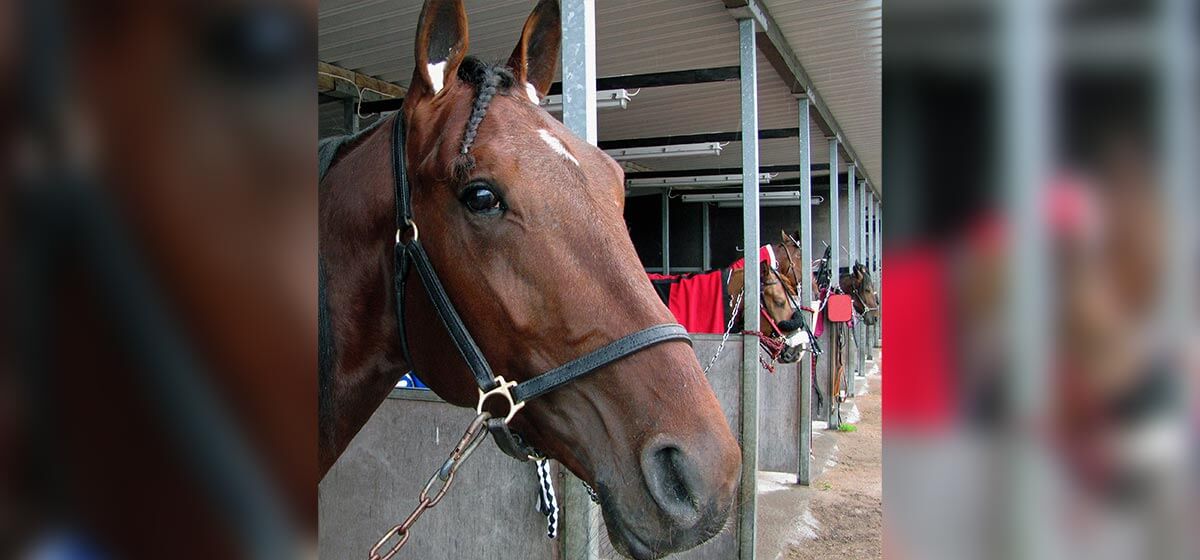
Physical build reflects these goals. Thoroughbred horse characteristics include a tall, lean frame, long limbs, and a deep chest for oxygen intake. That body is built to coil and uncoil with speed. Standardbreds are heavier in the hindquarter and more muscular, built to pull a sulky and come back week after week. This difference in durability matters in the past performances you study. Thoroughbreds might offer fewer data points across a shorter career, while Standardbreds show long runs of form that make pattern recognition easier. If you combine breeding notes with work reports or qualifiers, you can often project distance aptitude for Thoroughbreds and gait reliability for Standardbreds with more confidence.
3. Racing Styles Compared: Standardbred vs Thoroughbred on the Track
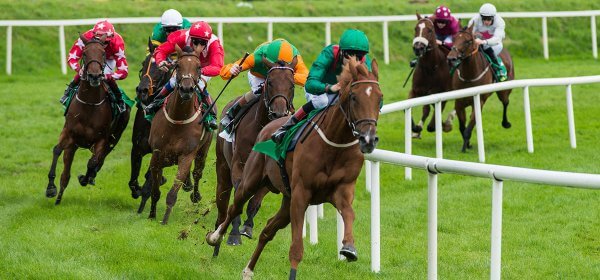
The split becomes obvious once the gates open. Thoroughbreds race under saddle at a gallop, while Standardbreds compete in harness at the trot or pace with a driver in a sulky. Those setups create different problems to solve. Thoroughbred races range from 5 furlongs to about 1¼ miles, so early speed, position into the first turn, and surface preference drive outcomes. A hot duel can set the table for a closer, and a rail-skimming ride can make the difference in a photo. When you handicap Thoroughbreds, you are projecting pace scenarios and asking which runners still finish with purpose when the last furlong arrives.
Standardbred races are usually one mile, which concentrates the action into a repeatable pattern. Drivers manage energy through even fractions, protect position, and angle out when it is time to sprint. The key for bettors is trip. A horse that sits boxed for half a mile and then quickens late can be a live play next time. A horse that is parked wide for too long may be better than the line looks. Because the distance is consistent, small tactical edges compound. Watching replays becomes a must, and keeping notes on driver tendencies adds context that past performances alone cannot reveal.
Surfaces add another layer. Thoroughbreds split time between dirt and turf, and many show clear preferences. A horse that sparkles on turf can look average on dirt, so surface switches are major handicapping events. Standardbreds race on specialized harness ovals, where weather and maintenance can influence traction but do not change the fundamental job. Put it all together and the lesson is straightforward. Thoroughbred racing rewards pace analysis and surface evaluation, while harness racing rewards trip handicapping and driver awareness. That is the real heart of Standardbred vs Thoroughbred for bettors.
4. Thoroughbred Characteristics: Speed, Stamina, and Spirit
Thoroughbred horse characteristics define how you should bet them. These athletes break fast, carry speed, and finish with a sustained kick when bred and trained for the distance. In sprints, a clean break is gold. A poor start can end chances before the first call, which is why gate behavior and early pace figures deserve attention. In routes, stamina matters more. Replays reveal which runners level off late and which find more when urged in the final furlong. If a horse has shown a strong final eighth on similar ground, stretching from a mile to nine furlongs can be a positive, not a reach.
Temperament is part of the puzzle. Thoroughbreds can be keyed up in the paddock or fussy at the gate, burning fuel before the bell. Some refuse to rate, tugging early and fading late. Others settle kindly and unleash their best run when asked. These tendencies repeat, and they matter when you are choosing between an Exacta with a fragile favorite or a Trifecta that leans on a reliable stalker. Body type supports the picture. Taller, lighter frames with long strides cover ground beautifully, but can be fragile. That often means fewer starts and gaps between races, so you must weigh workout patterns and trainer intent.
Form cycles and class are the last two levers. Many Thoroughbreds step forward sharply in the second or third start of a form cycle, then plateau and regress. Catching the upswing produces value. Class movement is just as important. A confident drop from allowance into claiming can be a winning signal, while a big jump into graded company can expose limits. Blend these reads with the natural strengths and limits written into Thoroughbred history and you will make more confident decisions at the window.
5. Standardbred vs Thoroughbred Training and Temperament
Training explains why one code feels variable and the other feels steady. Thoroughbreds are conditioned for intensity. Morning works are timed and public, which gives bettors insight into readiness. A sharp half-mile breeze or a bullet over the track surface that matches today’s conditions can point to a peak effort. Because they race less often, workouts and spacing carry more weight. You are reading intent as much as fitness. Standardbred barns train for rhythm and durability. Instead of a string of fast breezes, you will see qualifiers that show a horse’s fitness in a race-like setting. Handicappers can watch those qualifiers and note gait, finish, and how much the driver asked.
Temperament and schedule drive reliability. Standardbreds are known for even minds and professional behavior, which lowers the odds of a meltdown. They also run frequently, sometimes on a weekly pattern, which produces long, consistent series of lines that handicappers can trust. Thoroughbreds bring more variance. A nervous gate horse, a new distance, or a change in surface can flip a race on its head, which is exciting for exotics but harder to forecast.
Longevity matters for data. Standardbreds often build careers with dozens of starts across multiple seasons, providing a deep sample for pattern spotting. Thoroughbreds might retire after a shorter window, especially if they climb the class ladder quickly. For bettors, the takeaways are practical. Use works, spacing, and trainer patterns to time Thoroughbred plays, and lean on trip notes, driver changes, and qualifier form to time Standardbred plays. When you combine those reads with the breeding and racing-style differences already covered, your Standardbred vs Thoroughbred strategy becomes both sharper and more consistent.
6. Choosing Between a Thoroughbred and a Standardbred: Key Differences for Fans and Bettors
Choosing a lane is really about choosing a rhythm. Thoroughbred racing offers speed, glamour, and swings. Pace meltdowns, surface switches, and fiery temperaments create uncertainty, which is why exotic pools can explode. If you thrive on volatility and can project pace with confidence, Thoroughbreds fit. Exacta, Trifecta, Superfecta, and Pick 4 sequences reward a strong opinion about how a race shape will unfold. Pair that with smart class and form reads, and the upside is real.
Standardbred racing rewards patience and pattern recognition. Because form holds more often and drivers play such a visible role, you can build advantages by tracking trip trouble, cover flow, and who is finishing with energy through the wire. The Exacta and Daily Double can be steady earners when your notes are tight, and horizontal plays like a Pick 3 can reward a good driver read. The payouts might be more modest on average, but the strike rate can be higher for a disciplined handicapper.
The race-day feel is different too. Thoroughbred cards move quickly, with bursts of intensity and a constant push to the next set of silks. Harness cards give you a beat to breathe and study, which suits bettors who like to fine tune trip notes as the night unfolds. The smart play is not to choose one forever. Learn both codes. Use Thoroughbred characteristics to shape pace and class opinions, and use Standardbred consistency to build reliable tickets. When you understand Standardbred vs Thoroughbred at this level, you are choosing wagers that fit your style and your edge, not just following the crowd.