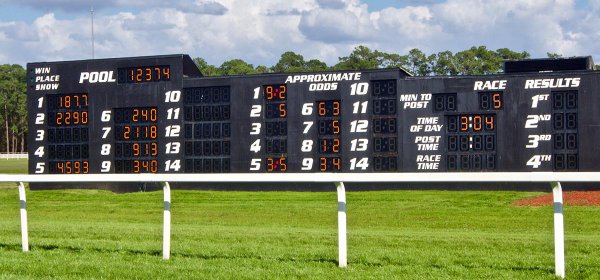
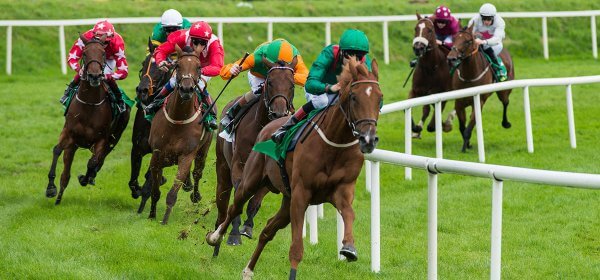
When you place a bet on a racehorse, you are not just watching a warmup and scanning a tote board. You are weighing history. Generations of racehorse breeding have stacked traits like speed, stamina, soundness, and temperament into a single athlete. Understanding thoroughbred pedigree turns that history into usable information. This guide keeps horse bloodlines explained in plain language so bettors can apply it at the window. The aim is simple. Read the family tree, tie it to what happens on the track, and use both to make smarter decisions.
1. Thoroughbred Pedigree: The Blueprint of a Champion
A pedigree is a map, and three generations is usually enough to see the landmarks that matter. The sire often stamps size, muscle, and raw power. The dam brings temperament, adaptability, and a big share of soundness. The damsire sits in the background but can tilt a profile toward stamina, turf aptitude, or durability. When bettors talk about a thoroughbred racehorse pedigree, they are really asking how those three roles combine into one runner. It is most valuable when past performances are thin. Maiden races, second starts, and early season preps are where a family tree can speak louder than form.
Class shows up in black type. If the dam was a stakes winner or the immediate family has produced multiple stakes horses, there is a baseline of quality that translates to higher hit rates at every level. Surface and distance clues are there too. A filly by a turf sire out of a mare from a grass-heavy family is more likely to move up on the lawn. A colt by a leading dirt sire from a female family that has handled route distances usually owns the right engine for two turns. These are not guesses. They are patterns seen every year across North American racing.
Pedigree does not replace figures, trainer intent, or trip notes. It layers on top. Combine a live worktab with a sire who throws fast juveniles and a dam who won early, and you have a maiden favorite worth respecting. See a blue-blood sprinter stretching to nine furlongs with a soft late pace figure, and you have a risk to fade. The bettor’s edge is in that blend. Thoroughbred pedigree gives you a starting point, past performances give you the present tense, and together they point toward the most likely future.
2. Horse Bloodlines Explained: Decoding the Genetic Advantage
Pedigree matters because heritable traits shape performance. Stride length, aerobic capacity, and the balance of fast-twitch and slow-twitch muscle fibers all connect to ancestry. Families that repeatedly produce front-running sprinters often pass along quick cadence and explosive gate speed. Lines known for strong finishers tend to deliver efficient movers who relax early and lengthen late. When you look at a thoroughbred racehorse pedigree, you are reading a probability table for how a horse will use its energy.
Surface preference has a genetic component. European turf lines like those descending from Galileo or Dubawi routinely pass on a lighter action and efficient stride that suits grass. American dirt lines anchored by A.P. Indy or Curlin often transmit power that digs into loam and carries pace over routes. Synthetic specialists emerge from both worlds, usually with balanced biomechanics that handle tighter turns and consistent footing. When form is thin, these patterns are a bettor’s compass for picking the right surface move.
The maternal line deserves special attention. Mitochondrial DNA is inherited exclusively from the dam and influences energy conversion and recovery. That is a scientific way of saying the tail-female family matters for staying power and resilience. Some broodmare lines are famous for iron horses who answer the bell week after week. Others deliver brilliance that can be fragile. Know which family you are buying when you punch the ticket.
Timing is another quiet edge. Certain sires and families tend to fire early at 2, while others bloom at 3 or later. Backing a late-developing pedigree in April juvenile races is a recipe for frustration. Playing the same horse when stretching to a mile in September can feel like finding $20 in a coat pocket. Horse bloodlines explained in this way turn guesswork into structured expectation. They will not predict a perfect trip or a slow pace scenario, but they will keep your selections aligned with what the horse was bred to do.
3. Racehorse Breeding Strategies That Shape the Sport
Breeders do not hope their way to good results. They plan them. Outcrossing pairs unrelated lines to widen the genetic base and reduce the risk of inherited weakness. The payoff for bettors is often sound, straightforward horses who hold form and handle varied conditions. Inbreeding concentrates influence from a single ancestor, while linebreeding does the same with a gentler touch. Modern books lean heavily on pillars like Northern Dancer and Mr. Prospector. When you see those names repeating in a pattern, you are looking at a deliberate attempt to magnify proven traits.
Nicking takes it a step further. This is the record of certain sire lines working especially well with specific broodmare sire lines. The A.P. Indy over Storm Cat cross is a textbook example that has produced a stream of graded performers. A nick is not magic. It is data. If a mating pattern has a high strike rate at the class and distance you are handicapping, you can weight that confidence in your line.
Breeding goals drive everything. Some operations are breeding racehorses to peak at classic distances. Others aim for commercial appeal so a yearling shines in the ring and sells high. Those goals leave fingerprints. Sales toppers often come from fashionable crosses that scream precocious speed. They can be excellent plays in short juvenile spots. That same profile can hit a wall at nine furlongs in the spring. Regional programs add more context. Kentucky sets the global standard, but New York and California incentives produce state-breds that fit restricted races perfectly and often outrun national perception.
Your job as a bettor is not to win a breeding debate. It is to read the intent and adjust. See an outcross with depth on the female side and a sire that throws route stamina, and you can be confident stretching out. Spot a heavy linebreeding pattern to a sprint influence and you know where the ceiling likely sits. Racehorse breeding is a design process. Treat the pedigree like a blueprint and your handicapping becomes the final inspection before you invest.
4. Why Thoroughbred Racehorse Pedigree Influences Speed and Stamina
Speed and stamina are not rivals. They are a ratio, and pedigree sets the default setting. Sprinter pedigrees are built from lines that repeatedly win from five to seven furlongs. A stallion like Speightstown has stamped wave after wave of quick horses that break, travel, and finish inside a minute and change. When a horse with that profile stretches to nine furlongs, it needs pace help and a soft trip. If the projected race shape looks contested early, that stamina cost becomes a risk you can price into your bet.
Stayer pedigrees lean in the other direction. Tapit has become synonymous with the Belmont Stakes for good reason. Tonalist, Creator, Tapwrit, and Essential Quality carried his influence through a mile and a half, which is a strong endurance test by American standards. That does not mean every Tapit wants twelve furlongs, but it does justify upgrading his offspring as distances lengthen. It also suggests patience. Many stamina-leaning horses improve as they mature and build miles.
Versatile middle-distance families are value engines. They can win from a mile to ten furlongs and handle tactical shifts. That flexibility becomes a price opportunity when public money chases a pure speed figure from a recent sprint win. If your horse’s pedigree supports stretching out and the pace picture looks fair, you have a chance to buy ability at a discount.
Surface is the other axis. Turf families typically pass balance and efficiency that preserve energy on grass. Dirt families often add the thrust that powers through kickback and carries pace. When the form book is thin, match the pedigree to the surface and let the rest of the puzzle fall into place. Maiden races are the clearest example. If a first-time starter owns a turf-centric pedigree and gets a firm course with a trainer who wins on debut, that is often enough to warrant a serious look.
A thoroughbred pedigree does not run the race, but it sets the operating range. If you keep speed, stamina, and surface aligned with the family’s strengths, you avoid asking horses to be what they are not. That simple filter will save more money across a meet than any single figure you will ever print.
5. Horses with Secretariat Bloodlines: Legacy of a Legend
Secretariat is more than a memory. His record Belmont is the clip everyone knows, yet his greater legacy lives in the stud book. His direct male line faded, but his daughters became conduits of class and stamina. The clearest example is Weekend Surprise, a Secretariat mare who produced A.P. Indy. A.P. Indy became a foundation sire in North America, passing along staying power and toughness that still shapes big-race pedigrees. Storm Cat, another Secretariat grandson through the mare Terlingua, turned into a commercial and racing force whose sons and daughters continue to influence sprint and route divisions.
For bettors, the practical angle is to look for Secretariat’s name in the female family. That is where his lasting influence typically sits. It often appears as the broodmare sire or within a couple of generations on the dam’s side. When you find it paired with a modern stallion known for stamina, the combination tends to raise the floor for classic distances. You see this pattern surface regularly on Belmont entrants and late-season route stakes horses, where the ability to keep running is more valuable than a single burst of pace.
Modern champions carry the thread in different ways. Justify shows Secretariat in his sire line through Storm Cat, which likely contributes to the blend of power and class that carried him through the Triple Crown grind. Many graded winners in the last decade show Secretariat at least once in their five-generation charts, usually through the same two channels. That does not guarantee success, but it explains why the name appears so often in the background of durable, capable runners.
Secretariat’s lesson for bettors is simple. Do not chase the myth. Respect the pattern. The broodmare influence he left is most reliable when the rest of the pedigree supports it. If a horse owns a dam line that traces to Secretariat and a sire line that has proven stamina, you can be more confident when the distances stretch or the pace scenario demands a long, sustained run. Horses with Secretariat bloodlines are not automatic plays. They are pedigrees that deserve a closer look when the race asks hard questions.
6. Leading Thoroughbred Sires and Their Lasting Impact on Racing
Keeping a short list of leading thoroughbred sires taped to your notebook is one of the easiest edges in handicapping. Into Mischief, Curlin, and Tapit are modern anchors in North America. Into Mischief consistently throws early speed and versatility. His progeny win often at 2, stay sharp at 3, and handle seven furlongs to a mile with authority. That profile points bettors toward maiden and allowance sprints and one-turn miles where talent can overwhelm. Curlin leans toward stamina and improvement with age. His runners typically gain strength through the spring and are reliable at nine furlongs and beyond. That makes them live in classic preps and late-season routes. Tapit’s Belmont record speaks for itself, and his offspring often combine stamina with a competitive edge that rewards patient placement.
Stud fees act like a market report. When a stallion commands a high price, breeders and buyers are voting with their wallets on his strike rate and class ceiling. Into Mischief sits at the top of that market. It does not mean every foal is a star. It means the odds of getting a serious runner are high enough to justify the investment. As a bettor, you can trail that capital. Well-funded programs tend to place horses where they can win and develop.
Global influences matter too. Galileo and Dubawi define European turf, while Deep Impact shaped the modern Japanese thoroughbred. When their blood appears in an American turf race, upgrade staying power and course sense. When American dirt lines appear in Europe on synthetic or fast ground, be open to upside in pace-leaning setups. Racehorse breeding is not confined by borders anymore. Shuttling stallions and international sales have blended the book.
The applied takeaway is straightforward. Know what the big sires do best and bet them where they are strongest. Into Mischief for early speed and one-turn class. Curlin for stamina arcs and second-half improvement. Tapit when a long stretch or long distance turns the screw. This is not folklore. It is the current state of the breed, and it produces repeatable wagering situations across the calendar.
7. Breeding Racehorses for Performance vs. Breeding for Value
There are two parallel economies in this game. One is the sales ring. The other is the winner’s circle. Commercial breeding chases what sells. Performance breeding chases what lasts. Understanding that split keeps you from paying public prices for private dreams. Fashionable crosses that light up auctions usually feature popular sires known for speed and early maturity. They look perfect in a catalog and often run fast early. They also bump into their limits when the distances stretch or when a long campaign tests soundness. That is not a knock. It is an expectation you can price.
Performance pedigrees read differently. They lean on broodmare families that have produced winners across seasons, surfaces, and distances. The names might not be glossy, but the results stack up. These are the horses that show up in allowance routes in August and graded stakes in October. They are also the ones the public underestimates because a headline sire is not staring back from the page. That gap between perception and reality creates overlays that make a season.
Another layer is distance intent. Some operations deliberately breed for 2-year-old stakes and 6 furlongs. Others are aiming at the Kentucky Derby or long summer routes. Timing your support matters. A flashy juvenile pedigree is a strong play at Saratoga in July. The same horse can be a fade candidate in April when a mile and an eighth reveals the stamina bill. Conversely, a colt from a staying family that needed starts to figure it out becomes an attractive price when the distances finally match his build.
Read the marketplace as you would a tote board. High stud fees and big sale tickets signal concentration of talent and resources. It can be worth following. Just remember that the sales ring pays for promise, not performance. The racetrack pays for both. Bettors who respect the difference between breeding racehorses to sell and breeding racehorses to win will find steady, repeatable opportunities that are not obvious at first glance.
8. Famous Quarter Horse Bloodlines and Their Role in Speed Events
Quarter Horse racing compresses the entire game into a few heartbeats. The pedigree priorities adjust with it. Famous Quarter Horse bloodlines like Three Bars, Dash For Cash, and Easy Jet have shaped the sport for decades because they repeat one thing better than anyone else. They deliver immediate acceleration. Three Bars, a thoroughbred who became a cornerstone Quarter Horse sire, injected refinement and straight-line speed that still filters through modern families. Dash For Cash produced offspring with rocket launches from the gate and the kind of sustained sprint that wins futurities. Easy Jet added toughness and range, leaving a footprint across distances and seasons.
For bettors, the practical lesson is to weight sire influence even more heavily than in thoroughbred handicapping. When the race lasts twenty seconds, a fraction of a second at the break is decisive. Families that consistently throw sharp gate speed deserve automatic upgrades. Watch also for patterns between certain stallions and lines of mares. The same nick logic applies here. If a cross keeps winning finals, assume intent when you see it again.
The cross-traffic between breeds matters too. Some Quarter Horse families carry a thread of thoroughbred pedigree that adds just enough stamina to hold sprint speed to the wire. In longer Quarter Horse distances, that small endurance bump becomes a price angle, especially against rivals bred only for the first 100 yards. The reverse is true when a pure blast pedigree lands in a short dash. That is when you trust raw speed and demand a fair price to accept gate risk.
The value of studying famous quarter horse bloodlines is not limited to Quarter Horse cards. It sharpens the way you think about speed as a heritable trait. It also reinforces the habit of matching pedigree to race conditions. Whether the chart lists yards or furlongs, the job is the same. Identify what the horse was bred to do, match it to the distance and surface, and let the odds decide if the bet makes sense.
9. The Science of Pedigree: How Genetics Drive Racing Potential
Modern genetics does not replace traditional pedigree study. It enhances it. The myostatin gene has drawn the most attention because variants correlate with optimal distance range. In simple terms, some versions align with sprint aptitude, others with middle distances, and a third with stamina. Breeding programs that screen stallions and mares for these markers are trying to stack the deck for a specific outcome. As a bettor, you rarely see a test result on a program page. What you do see are barns that place horses in races that suit them early and often. That is a tell worth following.
Dosage indexes and chef-de-race categories still have utility. They translate a web of ancestors into a quick read on how speed and stamina balance in a pedigree. The system is not a crystal ball, but it flags profiles that have historically struggled at twelve furlongs or excelled at a mile and a quarter. If a Kentucky Derby contender shows a dosage that skews to brilliance, you at least ask how he will finish the last furlong. If a late-running type owns a more classic profile, you can be patient with development and demand value until the conditions align.
Data has caught up to the old hunches. Pedigree databases now track strike rates by surface, distance, and class for sires and broodmare sires. They log trainer tendencies with specific lines. They track how certain crosses handle off tracks or tight turns. This turns horse bloodlines explained from lore into measurable angles. It also keeps you honest. If a narrative does not match the numbers, rewrite the narrative.
There are limits. No gene codes for courage in a tight stretch. No dosage table measures how a colt will handle kickback. That is why the best handicapping blends the lab with the barn. Watch works. Read the placement. Compare the figures. Then let the pedigree guide the final adjustments. Science gives you sharper tools. Your judgment decides how to use them.
10. From Breeding Shed to Winner’s Circle: Bloodlines in Action
Pedigree is theory until the gate opens. Then it shows up in the way a horse carries speed, handles traffic, and finishes. Triple Crown winners remind us how the right ingredients come together. American Pharoah combined a sire line that supplied class with a female family that added balance and mental calm. The result was a horse who traveled smoothly at any pace and quickened when asked. Justify, carrying Secretariat through Storm Cat on his sire side, brought power and professional composure that withstood a five-week series most horses cannot absorb. Those examples are rare, but the same principles apply to allowance winners and maiden breakers every week.
Upsets are the other teacher. A modestly bred gelding can wire a stakes field because his dam line has thrown nothing but honest speed for a decade. A filly with a workmanlike catalog page can grind past pricier rivals at nine furlongs because her family always improves with distance. When these things happen, the chart caller writes surprise. The pedigree says expected if you knew what to look for.
Practical betting is about alignment. If the family points to turf and the trainer moves a horse to grass with steady works, you lean in. If the pedigree tilts to stamina and the projected pace looks honest, you upgrade late energy and ask for a fair number. In maiden races, pedigree can be the main signal. A 2-year-old with a juvenile-friendly sire and a dam who won on debut is not a mystery. It is a type. Treat it that way.
Broodmare bands matter for the long game. Operations that collect deep female families produce winners repeatedly because quality compounds over time. When you see those names cycling through entries, you can raise your base expectations. Then it becomes a question of price. Pedigree should never force a bet. It should justify one. Combine it with figures, trainer patterns, and trip notes and you will find more Exacta, Trifecta, and Superfecta tickets that cash because you asked the right question first. What was this horse bred to do, and is today the day the race lets it do it?