Whether you’re new to the sport or have placed a few bets already, this guide walks you through essential horse betting tips for beginners. We’ll cover common pitfalls, smart strategies, and tools that can make the experience smoother and more enjoyable.
You don’t need to be a lifelong enthusiast to enjoy horse racing, but the more you know, the better your chances of making each wager count. Let’s begin with what not to do, as avoiding mistakes is half the battle.
Do’s: Smart Horse Racing Betting Advice for Beginners
1. Do Start Small: Why Beginners Should Focus on Straight Bets First
For those stepping into the world of horse racing, it can feel a little like standing at the gates before a maiden sprint: excitement mixed with a touch of nerves, and every direction promising something new. Among the best horse betting tips for beginners is to keep your early bets simple and manageable. When you are new, the menu of wagers can seem endless. There are flashy trifectas and superfectas, as well as more complex multi-race exotics. The allure of hitting a life-changing score is real, but the path to savvy wagering always starts with the basics: win, place, and show bets.
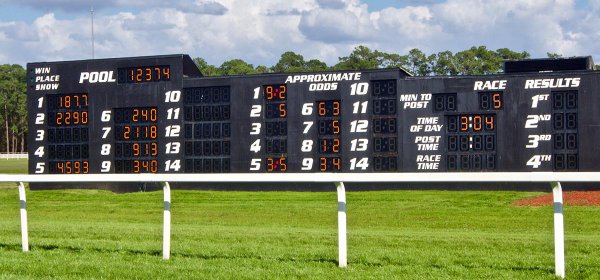
Straight bets are the bread and butter of every professional’s playbook. A win bet is just that: picking the horse you think will finish first. Place pays out if your pick finishes first or second, while show returns if your horse lands anywhere in the top three. These bets are easy to understand and track, offering the best chance for a beginner to get a feel for how races unfold and what makes a good bet. By focusing on straight bets, you give yourself a crash course in the fundamentals of reading the board, spotting value, and understanding how pace and class come into play. This is classic horse racing betting advice that will serve you well from day one.
Many new players fall into the trap of chasing big payouts before they have learned the basics. By starting small, you can spread your bankroll over more races, absorb the natural swings of luck, and pick up the subtle lessons that every day at the track provides. Straight bets give you a direct connection to the action without overwhelming you with variables and combinations. Plus, the satisfaction of picking a winner is just as sweet whether you are cashing a $2 ticket or a $20 one. Start with the foundation, and you will build the instincts that lead to bigger successes down the road.
2. Do Understand the Odds: Learning How Value Works in Horse Racing
Odds are the pulse of the racetrack. They tell the real story of a race: how the crowd sees each horse’s chances and how much you stand to win. For a beginner, odds might look a little cryptic at first, but grasping them is central to all horse betting tips for beginners. You will see numbers like 5-2, 3-1, or 9-5 posted on the board or the betting app. Here is the first piece of horse racing betting advice you need: odds are not just about payouts; they are about probability. When you see a horse at 3-1, it means that for every $1 you bet, you will win $3 if your horse crosses the wire first. However, those odds also reflect what the betting public thinks, not necessarily what is likely to happen.
True value in horse racing comes when you spot a horse whose real chance of winning is better than its odds suggest. Maybe you find a filly with improving form at 10-1 who looks like she fits today’s race, or a second-choice runner at 7-2 who has a perfect draw and a hot jockey. Your goal should be to bet only when you believe the odds are in your favor rather than blindly following the chalk every time. The best horse betting tips for beginners emphasize that picking favorites is easy, but consistently making money means hunting for overlays—those hidden gems where your opinion differs from the crowd.
Understanding odds also helps you manage expectations. A $2 bet on a 20-1 shot will not hit often, but when it does, it can pay for several days’ action. Train yourself to think in terms of value and probability, and you will be on the right path from the first post parade.
3. Do Learn to Read the Form: Unlocking Key Clues in the Past Performances
For many, the racing form is the Rosetta Stone of the sport—an intricate web of numbers, symbols, and abbreviations. It can be intimidating, but if you are searching for reliable horse racing betting advice or want to master horse betting tips for beginners, nothing pays off like learning to read the past performances. Every line in the program is a clue, and together they tell a story about how a horse might run today. Start with the basics. Each line usually shows the horse’s most recent races, its finishing position, the distance, the surface, and often, the running time.
Pay attention to trends. Does your chosen horse tend to break sharply and set the pace, or does it settle early and make a big late move? Look for consistency in finishing positions and consider the class of competition. If a horse is dropping from allowance or stakes company to a claiming race, that class relief could make a big difference. Jockey and trainer stats are also critical. Some riders excel at sprints, others at routes. Some trainers win first time off a layoff, while others need a race to get sharp.
The speed figures, whether Beyers, Brisnet, or another rating, help you compare horses across different races and even different tracks. Check for patterns. Has a horse recently improved its figure, or is it trending downward? Is there a change in equipment, such as blinkers or Lasix, or a switch in surfaces? Do not overlook trouble notes, either. A horse that broke slowly or was forced wide last time may be better than the finish suggests. As you practice reading the form, your eye for value and potential will sharpen, giving you a major edge over casual bettors. Master this, and you will be reading races like a seasoned pro.
4. Do Keep a Wagering Journal: The Underrated Habit of Winning Bettors
Among the smartest horse betting tips for beginners is to keep a wagering journal. Most people remember their big wins and losses, but few can tell you exactly why they made the bets they did. Keeping a record of your plays is one of those pieces of horse racing betting advice that separates hobbyists from students of the game. After each bet, jot down what you played, why you liked it, how much you bet, and what happened. Over weeks and months, patterns begin to emerge that you just will not notice if you are only betting from memory.
Perhaps you will discover that your win bets are more successful on turf races than dirt, or maybe your show bets perform best in larger fields. You might find that you consistently overvalue first-time starters, or that you chase favorites after a loss. This honest self-reflection allows you to tighten up your play, focus on your strengths, and avoid repeating costly mistakes. Plus, having a written record helps keep emotion in check, especially after a tough beat or a hot streak.
To manage your betting history effectively:
- Record Details: Note the date, track, race number, horse selected, bet type, amount wagered, and outcome.
- Analyze Patterns: Review your journal regularly to identify which types of bets or races yield the best results.
- Set Goals: Use your findings to set realistic goals and strategies for future betting.
This practice promotes accountability and continuous improvement in your betting approach.
5. Do Bet With a Plan: Setting Bankroll Limits and Sticking to Strategy
No article on horse betting tips for beginners or horse racing betting advice would be complete without hammering home the importance of discipline. Nothing demands discipline quite like managing your money. One of the foundational rules is to always have a plan for your bankroll before you place your first bet. Decide in advance how much you are willing to spend for the day, the week, or even the month. Break that sum into smaller units so you do not risk too much on any one race.
For example, if you bring a hundred dollars to the track, you might decide that no single bet will be more than five or ten dollars. This keeps you in the game longer, reduces the sting of a losing streak, and lets you ride out the ups and downs that are part of every bettor’s story. Stick to your plan, even if you start the day on a hot streak or take a few tough beats early. Chasing losses or increasing bet sizes when you are emotional is a surefire way to end up tapped out before the feature race.
To implement this:
- Set a Daily Limit: Decide on the maximum amount you’re willing to wager in a day.
- Allocate Funds: Divide your bankroll into units and assign a specific number of units per bet.
- Stick to Your Strategy: Avoid deviating from your plan, even after a loss or a win.
By adhering to a structured approach, you can manage your bankroll effectively and make more calculated betting decisions.
Don’ts: Common Horse Betting Mistakes to Avoid
6. Don’t Bet Blind: Why Research Beats Gut Instinct Every Time
Every seasoned bettor has a story about betting on a horse because of a catchy name, favorite color, or even a lucky number. While there is a bit of fun in the occasional hunch play, the reality is that blind bets are what separate winners from those who head home empty-handed. When seeking horse betting tips for beginners or deeper horse racing betting advice, the lesson is simple: never bet without doing your research. That does not mean you need to spend hours studying every race, but you should always know the basics: how the horse has been running, who it is facing, and what the conditions are today.
Research starts with the past performances, but it also means watching race replays, reading expert picks, and noting trainer and jockey stats. Are you betting a horse that is stepping up in class, or dropping down to find easier competition? Is today’s distance and surface a good fit? Are there any recent equipment changes or medical additions that might affect performance? Even checking the weather and track condition before you place a bet can make all the difference.
It is easy to get caught up in the moment and throw a bet down on a whim, but consistent success comes from informed decisions. Over time, you will build a process that lets you bet with confidence instead of hope. There is nothing wrong with trusting your gut, but let your research guide your instincts, not the other way around. In horse racing, knowledge is not just power; it is profit.
7. Don’t Ignore the Paddock: What Pre-Race Behavior Can Tell You
Savvy players know that good horse racing betting advice involves gathering every edge, and that includes observing the paddock. Every race day is filled with subtle signals, and nowhere are those signals more apparent than in the paddock before the horses head to the gate. Many first-timers skip this crucial step, not realizing how much a horse’s pre-race behavior can reveal. Observing horses in the paddock is among the most overlooked horse betting tips for beginners, yet it is one of the easiest to master. Take a few moments to watch the contenders as they are saddled and walked. Are they calm and focused, or sweating and agitated? Do they look alert and ready, or lethargic and uninterested?
Physical signs can offer big clues. A horse that is “washed out,” with sweat running down its flanks, might be too nervous to perform at its best. One with a glossy coat and a spring in its step often signals peak condition. Watch how each horse handles its handler and reacts to the crowd. Some thrive in the buzz of the big day, while others shrink from the attention. Not every good-looking horse wins, but eliminating runners who appear unfit or overly keyed up can improve your win percentage and help you avoid bad bets.
8. Don’t Ignore the Weather: Track Conditions Can Flip the Script
The impact of weather and track conditions is a classic example found in any list of horse betting tips for beginners. Ignoring these factors is one of the most common mistakes in horse racing. The surface can shift from fast to sloppy in a single shower, or the turf might go from firm to yielding after a cool night. The best horse racing betting advice always includes a simple rule: check the weather, know the track condition, and adapt your bets accordingly.
Some horses are “mudders,” loving the wet and handling the slop like ducks in a pond, while others need a dry, fast surface to show their best. A sudden rainstorm or a change in temperature can tip the balance of a race, especially for speed horses who tire more quickly in the mud. Track bias is another factor. Some days the rail is golden, while other times it is the outside lanes that produce winners. Watching how the earlier races play out can help you spot patterns and adjust your selections on the fly.
Many online betting platforms update track conditions in real time, so you can keep your finger on the pulse of every meet. Before placing a bet, review each horse’s past performances to see how it handled similar surfaces in the past. Do not be afraid to toss a favorite if you suspect the new condition does not suit its style. In horse racing, the weather is an ever-present wild card, but the savvy player uses it as one more edge over the field.
9. Don’t Bet Every Race: Why Selectivity Pays Off Long-Term
Every reputable list of horse betting tips for beginners and most seasoned horse racing betting advice agree on one thing: selectivity is the secret to long-term success. The sound of hooves thundering down the stretch is addictive, and for many beginners, the urge to bet every single race is hard to resist. It feels like you are missing out if you do not have action on every heat, but the truth is that not every race offers a good betting opportunity, and forcing a play just to stay involved leads to quick losses and frustration.
The best professionals are remarkably selective, often betting just two or three races out of a full card. They wait for situations where their opinion is strong, the odds are right, and the field is set up for a potential upset or value play. Use your time between races to review notes, observe horses in the paddock, and track betting flows on the tote board. Let your research and instincts tell you when to bet, not the clock or the crowd.
10. Don’t Chase Losses: How Emotional Betting Can Sink Your Bankroll
It’s easy to let frustration take over after a tough beat or a string of bad luck. Many bettors, new and experienced alike, fall into the trap of chasing losses, upping their bet size, jumping into unfamiliar races, or betting on hunches just to get even. This is the fastest way to drain your bankroll and lose your enjoyment of the sport.
When you find yourself tempted to chase, take a step back. Review your bets, your process, and your recent results. Did you lose because of a tough trip or did you overlook an important factor? Honest reflection helps you adjust your strategy and avoid repeating mistakes.
Setting stop-loss limits before you bet is a smart move. If you hit your predetermined loss for the day, step away. Remember, everyone loses sometimes. The key to longevity, and profit, is knowing when to walk away and come back with a clear head. Betting is a marathon, not a sprint, and keeping your emotions in check will help you stay in the game and enjoy the sport for years to come.