1. The Racing Program: Your Handicapping Dashboard
In horse racing handicapping, the real edge comes from understanding how both human and horse factors shape every race. It’s not just about the numbers on the page. It’s about reading the people, the patterns, and the pedigree.
Start with jockey statistics. A skilled rider’s win percentage, in-the-money rate, and specialty on certain surfaces or distances can swing a race’s outcome. The program reveals which jockeys consistently deliver, helping you spot value others might miss. Next, focus on horse racing trainer statistics. Trainers are the architects behind each contender. Look for clues like hot streaks, first-off-the-claim moves, and success with specific class levels or conditions. Smart bettors watch for trainers who know how to spot talent and place their horses for maximum impact. Then there’s horse pedigree. Bloodlines can predict a runner’s best surface, distance preference, and class potential, especially in maiden races or when a horse faces new conditions. A glance at the program’s breeding information often tips you off to hidden strengths and longshot value.
The modern racing program puts all these insights at your fingertips. By studying jockey statistics, horse racing trainer statistics, and horse pedigree, you turn raw data into a sharper, more confident bet. The best handicappers know that races are decided by much more than a single number. They are won by reading every clue in the book. Upgrade your horse racing handicapping by combining people, patterns, and pedigree for a winning ticket.
2. Jockey Statistics: How Top Riders Shape the Outcome
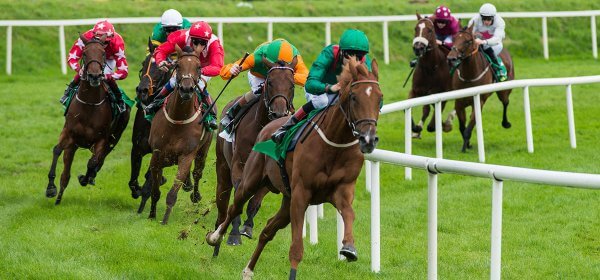
If you want to win more at the races, start by looking past the horse’s name and right at the person in the saddle. Jockeys are the pilots, and their decisions at forty miles an hour can make or break your ticket. That is why jockey statistics should be your first stop in any sharp horse racing handicapping routine.
Even the best horse needs a keen rider. A top jockey can coax extra effort from a longshot, sense when to save ground, or time a surge perfectly. Sometimes a single decision by the rider is the difference between a win and a near-miss. When you bet, you are backing the rider and their instincts as much as the horse.
Study win percentages to see how often a jockey brings home a winner. Combine that with in-the-money rates. Riders who hit the board consistently are building exacta and trifecta value. Look at ROI too. Jockeys with positive ROI often win smart, under-the-radar bets that fly beneath the public radar.
Surface and distance matter as well. Some jockeys are turf specialists, others excel in sprints, while a few are stellar at certain tracks. Examine post position splits to see who often wins from inside or outside rails. In big races, some jockeys simply thrive under pressure.
3. Understanding Horse Racing Trainer Statistics: More Than Just the Name in the Program
Trainers are the silent architects behind every horse’s performance. From setting workout schedules to choosing the right equipment, their decisions influence whether a horse is ready to fire or likely to fold. That’s why horse racing trainer statistics are a core part of any smart handicapper’s toolkit.
A trainer’s overall win percentage is just a starting point. To get a true edge, look deeper. How does the barn perform with first-time starters or after layoffs? Some trainers send out horses fit and ready off the bench, while others need a race or two to get things moving. These patterns show up in the numbers and can tip you off to live longshots the public misses.
Surface and class are equally important. Not all trainers excel everywhere. Some are kings of the claiming game, others specialize in allowance or stakes company, and a few dominate turf, dirt, or synthetic surfaces. By breaking down results by class level and surface, you can spot when a trainer is truly in their element.
Trends matter, too. If a trainer has been hot lately with multiple wins in a short span, that momentum can carry forward. But the crowd notices streaks, so sometimes value dries up quickly. On the flip side, a good trainer in a cold spell can rebound sharply.
Don’t overlook the impact of trainer and jockey partnerships. Some trainers consistently pair up with certain riders to deliver strong results, and knowing these combos can help you find hidden value in the entries. Specialty angles also matter. Some barns shine with two-year-olds, others with sprinters or route horses, and a few always seem to improve horses “first off the claim” with smart equipment changes or fresh routines.
Trainer statistics are also available through live, data-driven tools. For example, Horse Racing Elo Ratings offers updated ratings and performance trends for trainers, right alongside jockeys and horses. This tool lets you filter by trainer to spot who’s heating up, which barns are reliable, and where the hidden value might be on any card.
4. The Power of the Jockey–Trainer Combo: Identifying Winning Partnerships

Some partnerships in horse racing are like a secret handshake. When a certain jockey and trainer team up, it pays to notice. These combos often build a quiet chemistry and trust developed over months or years, and when they click, the results can be impressive. Experienced handicappers know to keep an eye on these partnerships because the numbers behind them can reveal real value before the public catches on.
A classic sign of a productive combo is when a jockey’s win percentage with a specific trainer jumps far above their usual average. For example, a rider who wins twelve percent overall might strike at a twenty-five percent clip for one barn. These patterns are more than coincidence. They often reflect mutual confidence, inside knowledge, and a strategy that goes beyond the program page.
There are also exclusive relationships. Sometimes a jockey seems to be the go-to for a barn’s best horses, especially in key races. These connections are rarely announced but show up in the stats if you know where to look. Recognizing these exclusive partnerships can help you find overlays, those times when the betting public misses the real story and you catch value others overlook.
Pay close attention to jockey changes as well. When a high-profile rider suddenly picks up a mount for a new stable, it usually means the connections expect a big effort. On the other hand, if a regular rider bails off a horse, that can be a sign of caution. Live entries and up-to-date race-day information make it easier than ever to spot these changes and react before the odds catch up.
Not every pairing is a gold mine. Some combos get bet down on reputation alone, while others quietly rack up profits under the radar. Return on Investment, or ROI, is a key filter for separating hype from true value. By tracking pool movements and recent results, you can see if the crowd is overestimating a pairing or missing a productive partnership altogether.
Frequency, context, and timing all matter. Are the jockey and trainer teaming up for a class drop, a debut runner, or a big-money stakes event? Is this a barn known for strong first-time efforts, or a rider who excels on a particular surface? The nuances matter, and the best handicappers pay attention to every signal. By understanding which combos are built on real chemistry and opportunity, and which are just along for the ride, you can turn connections into cash. The sharpest players use every angle—history, live data, and subtle changes—to play jockey–trainer combos a step ahead of the crowd.
5. Horse Pedigree: Unlocking the Secrets of Bloodlines for Bettors
In modern horse racing handicapping, pedigree is a powerful tool for finding value, especially when a field is full of maidens, surface switchers, or lightly raced runners. Bloodlines reveal strengths and hidden class that might not appear in the past performances. A smart player always checks the family tree before settling on a pick.
Start with the sire and dam. Into Mischief is almost automatic for speed, while Medaglia d’Oro produces reliable turf and route performers. Uncle Mo and Speightstown are names to watch for first-time starters because horses by these stallions often fire early. On the grass, Kitten’s Joy and English Channel lines are gold for turf talent. Curlin’s offspring are famous for loving the mud, so if the track comes up sloppy, that is a live angle.
The dam’s side can add stamina, heart, and surface versatility. Do not overlook grandsires or damsires, since they can shape a horse’s class ceiling and distance potential, especially in blueblood pedigrees dropping into softer company. Siblings and half-siblings provide even more evidence. If several have won at the same distance or surface, you have a pattern that can point to hidden value.
Distance is just as critical as surface. Some bloodlines produce pure sprinters, while others are built for a route. Matching a pedigree to today’s race demands keeps your tickets logical and lean.
Weather and track condition always deserve a look. When the rain falls, a Curlin in the field is a contender.
Lastly, some barns aim well-bred horses at a debut win, while others develop their runners more patiently. If you can line up trainer intent with family strengths, you get the clearest read in those tricky maiden and surface-change spots. The best handicappers use pedigree as both science and art, blending stats, trends, and intuition to find breakout runners and smart value plays before the public catches on.
6. How Trainer Intent and Pedigree Solve Maiden Mysteries
Maiden races are some of the toughest puzzles in horse racing handicapping. With no past performances to lean on, smart bettors turn to the clues hiding in plain sight—trainer intent, pedigree, and sharp race-day signals.
Start by sizing up the barn’s approach. Some trainers are known for sending out first-time starters that are ready to win, while others prefer to let their young horses learn as they go. Knowing which barns fire early and which develop talent patiently can shape your betting strategy from the start. Look for trainers with high win rates on debut, especially when their runners show a pattern of steady, sharp workouts leading up to race day.
Workout patterns tell you a lot about trainer intent. Horses that breeze regularly and pick up the pace close to race day are likely being pointed for a big effort. Strong gate works are a particularly good sign in maiden sprints. Equipment changes, such as blinkers, tongue ties, or first-time Lasix, are targeted moves that often signal the barn is making every effort for improvement.
Pedigree is just as crucial in maiden races. With no form to go on, a horse’s bloodlines can reveal hidden class, surface preferences, and even a hint of distance ability. Some sires, like Uncle Mo and Speightstown, are known for producing quick-starting, precocious offspring, while others such as Medaglia d’Oro are famous for late bloomers who shine as the distances stretch out. Turf pedigrees like Kitten’s Joy or English Channel mean you should take notice if a horse is trying grass for the first time. If you see a Curlin on a muddy track, that one deserves extra attention for wet weather ability.
Barn placement and class drops also tell a story. Not every class drop is a warning sign; sometimes it is a smart move to find easier competition. Shipping to a different circuit can mean a barn is targeting a better fit or softer field, and that is worth noting when reviewing the entries. Watching late betting action, often called barn money, is another way to spot when the insiders are backing their own.
In the end, the magic of picking a maiden winner comes from putting all these pieces together. When you find the right barn, the right blood, and the right clues in workouts and equipment, you set yourself up for those unforgettable scores that every handicapper dreams about. Trust the patterns, trust the process, and remember, every winner starts out as a maiden.
7. Class in Context: Matching Form, Connections, and Breeding
Class is one of those handicapping angles that separates casual fans from serious horseplayers. It is not just about what a horse has done, but the company it has kept. Knowing where a runner fits in the class structure is essential. Whether a horse is climbing from a maiden special to allowance, dropping into a claiming race, or stepping up to a Grade 3 stakes, these shifts can make all the difference in horse racing handicapping.
Imagine two horses with similar past performances. One has been competing against tough allowance company while the other has been beating claimers at lower levels. If today’s race is a step up, pedigree and connections can tip the balance. For example, a horse moving up in class but trained by a barn that excels at winning tougher races, paired with a jockey who thrives in high-stakes spots, deserves a closer look. Jockey statistics and horse racing trainer statistics are your friend in these situations. Has the trainer been hot with class risers lately? Does the rider have a track record of winning at this level?
Breeding is important too. Some pedigrees shine against strong fields. Maybe a runner is new to stakes company but comes from a family loaded with black-type winners. Into Mischief’s offspring are known for competing well against tough competition. When a horse is bred for stamina and class, a tougher assignment might be exactly what it needs.
The key is to layer all three: form, connections, and bloodlines. If a horse’s recent form fits the race, the trainer and jockey have proven they can win at this level, and the pedigree says the horse belongs, you have found a live contender. When you combine this with performance history and a sharp read on today’s challenge, your bets become more than guesses. They are calculated moves based on real strengths behind every entry.
8. Bet Smart, Ride Lucky: Building a Holistic Handicapping Approach
Handicapping is not about chasing a single angle or searching for a magic formula. The sharpest bettors blend numbers, human insight, and intuition to create a system that can handle the ups and downs of the racetrack. That is how you go beyond the numbers and tap into the full power of horse racing handicapping.
Start with the data. Past performances show where a horse has been, but trainer and jockey statistics reveal who is steering the ship. Is there a hot trainer-jockey combo on the card? Is a proven rider picking up a live mount for a barn with a high win rate? These questions should be part of every player’s process.
Look at horse pedigree too. When the form is thin, such as in maiden races or surface switches, breeding can be the tiebreaker. If you see a debut runner by Uncle Mo or a turf switch to a Kitten’s Joy, pay attention. Pedigree gives you insight into a horse’s potential, especially when it is facing something new.
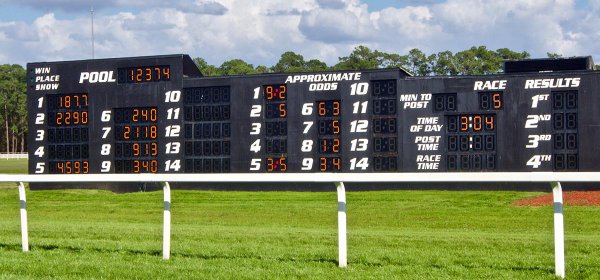
Build your routine step by step. Sort contenders by human angles first, then check recent form and fitness, and then overlay pedigree. Finish by scanning the tote board for betting patterns and watching pre-race warm-ups. Sometimes the numbers say one thing, but a sharp paddock appearance or sudden odds drop tells you there is more to the story.
The best handicappers always track their results and look for patterns. Maybe you discover you are best with shippers, or that your biggest hits come from class droppers with the right breeding. Over time, this honest review turns good hunches into a winning system.
Smart betting is about balancing stats, connections, and instinct. It is knowing that every longshot has a story and being sharp enough to read it before the crowd does. That is the heart of every winning approach. Bet smart, ride lucky, and let your work pay off.