1) Standard vs Exotic Bets
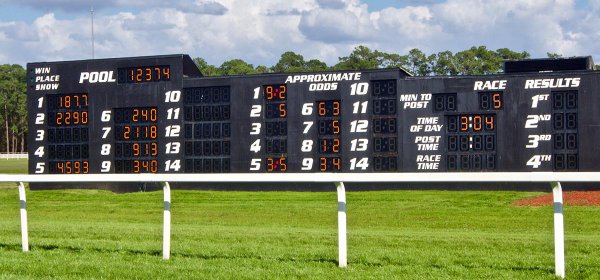
Horse racing wagers are organized first by simplicity, then by scope. The most basic group is Standard bets, which are single-race wagers that pay strictly by finishing position in that same race. Standard bets include Win, Place, and Show. A Win bet pays only if your horse finishes first. A Place bet pays if your horse finishes first or second. A Show bet pays if your horse finishes first, second, or third. Grouping these three under “Standard” matters because each asks one clear question about one field, they settle immediately after that race, and they establish a baseline for price and risk before you consider anything more complex.
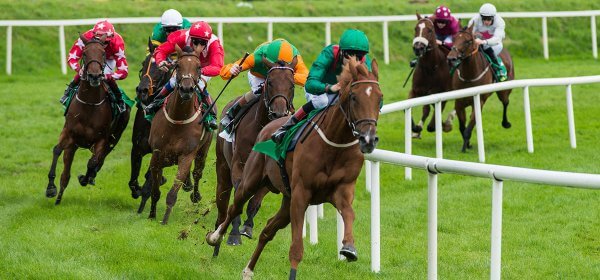
Everything outside those three belongs to Exotic bets, which are then classified by scope as Vertical or Horizontal. Vertical exotics stay inside a single race and pay according to exact order at the wire. The vertical set includes Exacta for first and second in order, Quinella where offered for the same two in any order, Trifecta for first through third in order, Superfecta for first through fourth, and Super High Five for first through fifth. Horizontal exotics stretch across the race card and pay only when you connect winners in consecutive races. The horizontal set includes Daily Double for two straight races and Pick 3, Pick 4, Pick 5, and Pick 6 for sequences of three through six legs. Framing exotics this way makes it plain whether a bet is asking you to rank one field precisely or to carry winning opinions from race to race.
Vertical wagers
- Exacta
- Quinella
- Trifecta
- Superfecta
- Super High Five
Horizontal wagers
- Daily Double
- Pick 3
- Pick 4
- Pick 5
- Pick 6
Choosing between these classifications follows the shape of your analysis. When your read isolates how one field should stack up, a Vertical ticket is the precise tool, for example Exacta when a specific one-two looks realistic or Trifecta when a strong top choice is supported by identifiable second and third candidates. When your edge spans multiple races, a Horizontal ticket turns that broader view into one position, for example Daily Double to link two firm reads or Pick 4 to single a confident leg and use measured coverage in a wide-open one. If the projected Exacta payouts on the pair you prefer look healthy for the risk, the vertical path fits; if the posted returns for the Double or Pick 4 exceed what the same plays would return as separate Win bets, the horizontal path is doing more work for your bankroll.
2) Win, Place, Show
Win Place Show bets are the bedrock of horse racing bet types, and they teach lessons that translate to every pool. A Win bet cashes only if your horse finishes first. A Place bet pays if your horse finishes first or second. A Show bet pays if your horse finishes first, second, or third. Across the Board is not a special category. It is simply three separate wagers on the same horse, one in each pool, which means the total stake is three times the base. All of these are pari-mutuel, so payouts depend on pool totals after takeout and breakage. Most tracks report returns on a $2 standard, which lets bettors compare results across venues.
Choosing among Win, Place, and Show depends on field shape, pool size, and price. In short fields, or when a standout is odds on, Place and Show returns often compress. If you like the second choice and believe the favorite could falter, Win can be the better risk reward. In big fields, where trips get messy and prices can float up late, Place or Show on a reliable grinder can stabilize the day while you wait for stronger edges. Odds move until betting closes. That final flash is part of the game, and the right way to respond is to focus on the quality of your read rather than the last tick of the tote.
Across the Board can be useful while you learn how a surface is playing or when you want contact with three pools. If your horse wins, you cash three times, which smooths variance. The tradeoff is cost, so use ATB with intention instead of habit. In some jurisdictions, coupled entries mean two stablemates form one betting interest. If one scratches, the other still represents your ticket. Know how that rule affects your risk. Straight bets also serve as information tools. Early in a card, you can use small Win or Show bets to test pace bias or rail strength. That information feeds later decisions in exotic horse bets, and it keeps your thinking grounded, not hopeful.
3) Exacta
Exacta asks you to name the first and second finishers in exact order, which places it neatly between straight bets and deeper ladders like Trifecta and Superfecta. Base amounts vary by track, and cost scales with combinations, so precision is the friend of every bankroll. The Exacta probable grid is essential. It lists projected returns for each 1–2 pairing and gives a live picture of crowd behavior. When a combination pays less than its realistic chances suggest, it is probably being overbet. When a pairing pays more than it should, that is a signal to lean in. This is market reading, not guesswork, and it keeps you focused on value rather than hunch.
Race shape drives Exacta opportunities. Lone speed often holds a spot in the exacta, even if passed late, which invites a key on top or underneath depending on the matchup. A contested pace can flip the script and elevate a closer into second. Field size matters. Bigger fields create more plausible second slot outcomes, which can lift returns when the underneath horse is not obvious. Many players default to a box, but a small cluster of straight tickets usually reflects an opinion better. If you like A to win and believe B or C are the most likely to chase, play A over B and A over C rather than buying outcomes you do not believe.
Comparing Exacta and Quinella sharpens thinking about cost versus certainty. Exacta requires correct order and usually pays more because it is harder. Quinella pays when your two run one two in any order and typically pays less. If you have a firm view on the winner and a flexible view underneath, Exacta rewards precision. If two horses tower above the field and you do not care who wins, the alternative can be more efficient. Use the grid, respect the pace, and let your structure match what the race is telling you. That is how to bet an Exacta with purpose instead of habit.
4) Quinella
Quinella is the two-horse bet where order does not matter. If your pair finishes first and second in any sequence, you cash. Availability varies by jurisdiction, which explains why some players rarely use it, but where it is offered the Quinella delivers a clean way to express a two-horse opinion without juggling separate order combinations. Because you do not need to predict who wins, the price often comes in lower than an equivalent Exacta pairing. That is the natural tradeoff between difficulty and reward, and it is usually visible when you compare the two Exacta returns that mirror your Quinella pair.
The best spot for Quinella is a race with two co-standouts. Maybe a short field with two clear speeds drawn inside, or a route where two class droppers tower on figures. In those cases, you are paying for simplicity rather than precision. Liquidity matters, though. Thin Quinella pools can swing on late money and deliver odd prices, so use the Exacta probable grid as an anchor. If both Exacta permutations are paying around a certain figure, you can infer a fair Quinella price and see whether the market is giving you value. If it is not, the Exacta may remain the sharper route.
Minimums and rules are not universal. Some tracks offer $2 bases, some $1, and some fractional bases. Refunds on scratches generally follow clear policies, but it is wise to read them, especially if you plan to scale your opinion across several races. The point is not that Quinella is softer. It is that Quinella is a tool for a specific shape of race. When you believe two are far better than the rest and you do not have a confident order, Quinella keeps cost tight and expresses that belief cleanly. That clarity is what separates efficient tickets from expensive guesses in different bets in horse racing.
5) Trifecta
Trifecta betting explained simply is picking first, second, and third in exact order. The jump in difficulty from Exacta to Trifecta is real, and so is the jump in potential payout. Field size multiplies the number of combinations quickly, which is why structure becomes more important as you move up the ladder. The most reliable approach begins with a disciplined view of the winner. If your work points to a strong top choice, keep that position tight, then open the second and third slots in a way that reflects how the race might get messy. A common framework is two or three logical winners up top, a selective middle with horses that fit the pace, and a widened third slot that welcomes prices with plausible late impact.
Where does value appear most often? In the underneath chaos. Many races produce a logical winner. The payoff pops when a longshot clings to third after saving ground or when a late runner grabs second because the speed duel boiled over. Use the Exacta probables as a compass for how the top pair is being bet, then decide whether your third slot ideas are genuinely contrarian. You do not need to predict a miracle. You only need to include outcomes that the crowd is underpricing in a field where the race shape makes those outcomes realistic.
Bankroll planning must match the volatility of the bet. Trifecta hit rates are lower than Exacta, and losing runs are part of the math. Keep a steady unit size and avoid boxes that buy outcomes you do not believe. If a late scratch occurs, rules differ on how tickets adjust or refund. Learn those policies at your preferred tracks before you scale up. Most of all, keep your structure honest. You are not trying to cover every path. You are trying to cover the paths that your read of pace, class, and trips says are most likely. That is how a Trifecta ticket remains efficient and how a single hit can carry a week.
6) Superfecta and Super High Five
Superfecta requires first through fourth in exact order. Super High Five requires first through fifth. Because the permutation count grows fast, many tracks allow small bases like $0.10 or $0.50, which keeps cost in check. These are the most demanding vertical exotics, and they reward conviction up top paired with intelligent openness underneath. If you believe a particular runner is the most likely winner based on pace and figures, lock that horse in the first slot and resist temptation to spread there. Keep the second slot to two or three who logically run with or behind the key. Then widen the third and fourth slots to catch the chaos that makes these tickets pay.
Choose your spots. Large, competitive fields create the conditions that feed Superfecta value. Turf sprints with multiple speeds, dirt routes with suspect favorites, stakes with fresh three year olds changing distances, all can generate unexpected third and fourth finishers even when the winner is logical. Some Super High Five pools include carryovers or special distribution rules. Mandatory payout days can boost expected value because previous money rolls forward, so reading the conditions on the overnight is part of the job. Remember that order of finish bets depend on the official result. Inquiries and objections can change outcomes, and the right response is to keep your risk sized appropriately instead of chasing.
For players moving up the ladder, small bases are smart training wheels. Boxes can get expensive in a hurry in Supers, especially in big fields, and they often pay for combinations you never believed. A part wheel that fixes the winner and expands late is usually more efficient. Review results and note patterns. Often the winner was obvious while the third or fourth slot detonated the price. Use that evidence to refine structures, and keep your ticket aligned with how the race sets up rather than how you hope it will unfold. This is practical Superfecta strategy, not superstition, and it scales with experience.
7) Daily Double
Daily Double links two consecutive races, and you cash only when you pick both winners. It is one of the original exotic bets, and it remains useful because it sits between straight bets and longer sequences in both difficulty and return. The tactical advantage is flexibility. If you have a strong single in one leg and a price opinion in the other, a Double converts that read into a focused ticket without forcing you into a Pick 3 or Pick 4. Because it is pari-mutuel, the will pay board after the first leg shows projected returns for every live combination. Smart bettors compare those figures to a simple Win parlay to see whether the market is offering a premium for the Double or discounting it relative to two separate bets.
Rolling Doubles, which start in many races on some circuits, let you attack your best windows rather than stretching to races you dislike. When a card offers Doubles only in set spots, line up your strongest opinions and bet those pairs. Scratch rules matter. Many venues substitute the post time favorite for a scratched horse in the second leg if the scratch occurs after betting, which can blunt an edge if your whole plan was to beat that favorite. Read the house rules before committing larger stakes. The goal is to avoid surprises and keep control of your exposure.
Sometimes the right call is to compare the Double with a small Pick 3 that includes the same two races plus a third. If the added leg looks chaotic or features a vulnerable public choice, the Pick 3 can produce better value. Other times the Double is superior because the extra leg would only dilute your opinion. Daily Double also makes a useful press tool. When your Win bet lands in the first leg and the second race matches your figures, a Double can amplify the edge without reinventing your day. This is how to bet on horses online with intent rather than impulse, using the menu that best reflects your strengths.
8) Pick 3, Pick 4, Pick 5, Pick 6
Horizontal sequences require winners across multiple races, and they are designed to reward planning. Pick 3 covers three legs, Pick 4 covers four, Pick 5 covers five, and Pick 6 covers six. Base amounts and rules vary, and some tracks run jackpot formats that pay a bonus for a single unique winning ticket. Carryovers are central to value because prior money rolling into today’s pool increases expected return. Mandatory payout days often draw fresh dollars from casual players, which can soften prices for disciplined tickets. This is where a well built plan can turn an opinion into a meaningful score.
Sequence selection is the first edge. Look for at least one leg where the favorite looks vulnerable on pace, class, layoff, or figure patterns. Races with larger fields create the kind of volatility that can separate your ticket from the crowd. Ticket construction is the second edge. Many players rank contenders as A, B, and C to reflect confidence. Singles are leverage. Each time you single a horse with legitimate edge, you free budget to cover chaos in another leg. Caveman tickets that include everyone you fear will bleed money and leave you hoping that chalk sweeps the board. A sharper approach is to use a strong Single, back it with a narrow second choice if the price is fair, and then spread only where it makes mathematical sense.
Managing variance matters because hit rates fall as the number of legs increases. Pick 4 strategy in horse racing often strikes a balance between opportunity and bankroll stress. Pick 5 horse racing can deliver the biggest returns, but it asks for patience during losing runs. As sequences unfold, will pay boards reveal which combinations remain live and how the market is pricing outcomes. If rules allow, that information can guide small hedges in the last leg, but most of the work is done at construction. Keep records. Over time, you will learn which leg types you read best and where you should single more aggressively. That self knowledge is the edge that turns exotic bets in horse racing into consistent plays rather than lottery tickets.
9) Box Bets: When to Box

A Box bet in horse racing buys all order permutations among your selected horses within a pool. A three horse Exacta box creates six combinations. Trifecta and Superfecta boxes expand even faster, which is why cost control matters. The appeal is simple. When a cluster of contenders appears tightly matched and you are unsure of the finishing order, a box keeps you alive if the race shuffles late. Turf sprints with several live closers or evenly matched allowance fields often fit this description. Used sparingly and in the right spots, boxing can smooth uncertainty without demanding complex math.
The trap is treating boxes as the default. Because cost scales with combinations, a box can quietly swallow a day’s budget, especially in large fields. The smarter path is to compare a proposed box with a handful of targeted tickets that mirror your belief. If you think one horse is more likely to win, paying for that horse to finish second or third in a full box wastes dollars. In that case, a Wheel or Part Wheel usually captures your idea for less money and more edge. Where fractional bases are allowed, you can moderate price on larger boxes, but the math still matters. Before sending a bet, count combinations and translate them into a real cost at the chosen base, then compare that cost to realistic payout ranges using probables and typical returns for similar fields.
Field size and takeout influence results. Big fields create more permutations, which can make a box prohibitive unless you trim. Smaller fields reduce permutations and sometimes make a small Exacta box reasonable when two or three runners stand above the rest. Read scratches and surface changes, because a key defection can flip a race from evenly matched to top heavy, and your box might lose its purpose. Boxing is not a type of bet. It is a structure choice that belongs in a narrow set of conditions. Use it to solve uncertainty, not to avoid making a decision.
10) Wheel and Part Wheel: Using a Key Horse
A Wheel bet in horse racing builds around a key horse, then rotates other contenders into specific positions. A full wheel uses the key with every other runner in at least one slot. A Part Wheel limits coverage to the horses you actually want. This approach applies to Exacta, Trifecta, and Superfecta, and the concept even echoes in horizontal play when you single a leg and spread elsewhere. The advantage is focus. By fixing one position for a horse you trust, you remove wasted combinations and direct your money toward outcomes that align with your read. That is the essence of smart ticket construction, and it is the backbone of the best Superfecta wagering strategies.
Practical structures follow race shape. In an Exacta, you might write 1 with 2,3 if your key is a likely winner and the others are logical chasers. In a Trifecta, 1 with 2,3 with 2,3,4,5 keeps the top tight, allows realistic outcomes in second, and welcomes a price into third. In a Superfecta, many players keep the key on top, add two or three in second, then widen in the minor slots to catch chaos. Selecting a key comes from tangible edges like pace advantage, favorable class relief, strong figures, or a proven bias trip. A vulnerable favorite can act as a negative key, where you exclude that horse from the top slot and build for an outcome that punishes the crowd.
Before you send the ticket, count combinations and estimate return ranges. Use Exacta probables and Double will pays as guides for relative pricing, then extrapolate to deeper ladders with an eye on field size and historical patterns. If the expected value looks thin, tighten the top or trim redundant horses in the middle slots. Scratches after betting can alter coverage or trigger substitutions, so read house rules and be ready to re-center the wheel without inflating cost. After the race, review your structure. Identify combinations that were unnecessary and imagine a tighter version that would have covered the same opinion. That habit turns Wheel bets from blunt instruments into precise tools and keeps your approach to different horse racing bets grounded in evidence rather than imagination.