1) Horse injuries in Thoroughbred racing: Pre-race tells bettors spot before the bell
Before a race ever breaks from the gate, there are small, factual clues that help you read soundness and readiness. The workout log is the first place to look because it records what the barn has asked the horse to do and when. A healthy campaign usually shows consistent seven to ten day spacing with steady progression from three furlongs to four and five. When that rhythm suddenly changes, such as a two or three week gap followed by a shorter or slower move, it can mean the barn paused for a reason. Sometimes it is weather or a surface change, but sometimes it signals they managed a nagging issue. A switch from regular five furlong drills to quick three furlong leg stretchers often keeps a horse tight without asking for heavy loading, which is sensible after a minor setback. The pattern does not prove injury on its own, but it is a practical yellow light for a bettor who wants to see more evidence.
Equipment notes carry the story from the barn to the program. Bar shoes stabilize the hoof capsule, pads and pour ins cushion the sole, and wedges alter angles to reduce strain on flexor structures. Front bandages protect tendons and skin. These tools are common, and their use is not an indictment, but when a new shoeing setup appears alongside a disrupted work tab, you are seeing the team manage the limb carefully. Layoff length adds context. Five or six weeks often fits routine rest or a minor foot bruise, while six months aligns with soft tissue repairs that need collagen to remodel over time. That biology sets a clock no trainer can rush.
The post parade is the final checkpoint you can observe without guessing. Horses that move freely through the neck and back, jog on a loose rein, and show a long, even reach are telling you they are comfortable. A short or stabbing front stride, a noticeable head bob on one side, or a rider who avoids asking for a strong jog can hint at caution. Class placement ties the picture together. Protected allowance spots and starter races suggest the barn wants a clean comeback, while a steep drop after a flat effort can be a warning if the works do not support improvement. Reading these pieces together gives a bettor an advantage that comes from observation, not speculation.
2) Horse racing accidents: Pace, traffic, and footing that flip a race in one stride
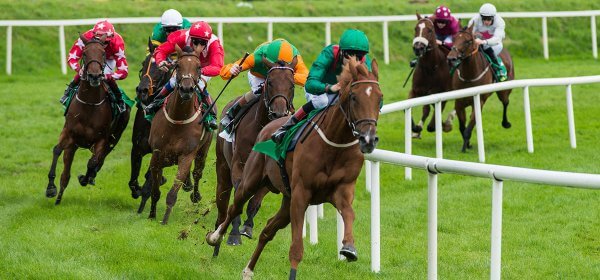
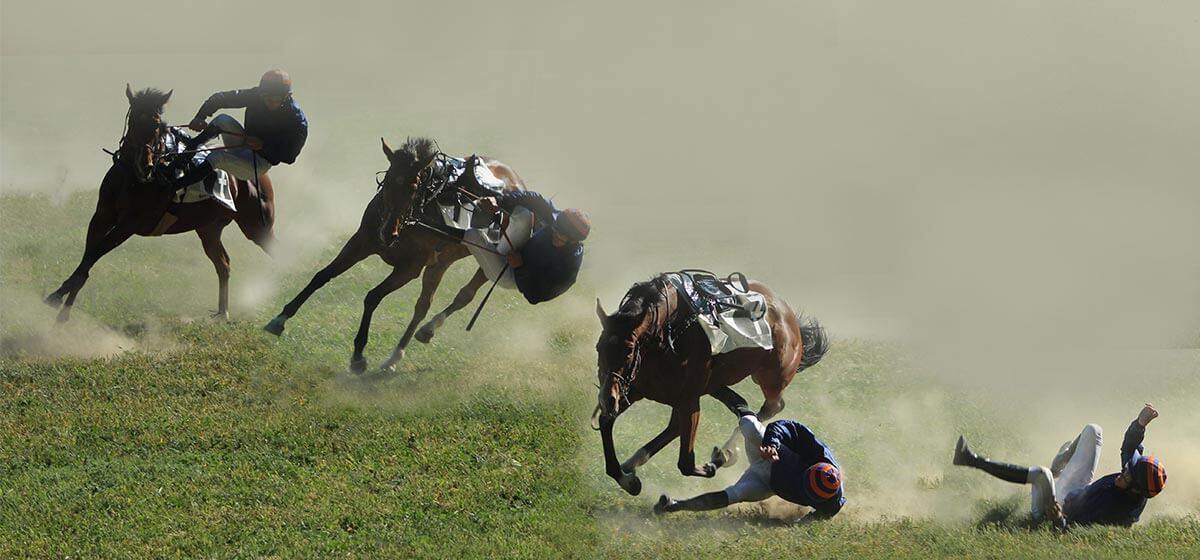
Horse racing accidents are rare relative to the number of starts, but they do occur, and they follow patterns that bettors can understand. The first is pace pressure. When several riders intend to lead, the opening fractions get hot, positions change rapidly, and horses behind the speed must react to shrinking holes. A tight first turn magnifies those moments because trajectories converge. Field size adds a basic probability layer. In a twelve horse field there are more heels in close quarters, and clipping a heel has long been a documented cause of falls. That is not a critique of tactics or skill. It is a function of speed, proximity, and split second decisions that any rider must make in real time.
Footing is the next factor that pushes risk up or down. Rain changes dirt quickly. A sealed surface can run faster and more uniform, which lowers unpredictable patches, but higher speed raises kinetic energy at contact. Drying out tracks can become uneven, with firmer lanes next to holding lanes, which can upset balance at the moment a horse switches leads. Turf reduces concussion but can become slick if the root structure loses grip under a turn. Track crews and stewards watch these variables closely, adjust with lane shifts, and announce changes to keep conditions fair and safe. Those announcements help bettors reframe the remaining card because a lane move on turf or a reworked dirt surface can tilt pace and bias.
Trip dynamics complete the picture. Inside posts can be efficient on a fair track, but they can turn into crowded corridors in a big field. Outside posts avoid the pinch yet spend longer in wider lanes where ground loss and momentum changes can stack. Rider tendencies matter because they influence exposure. An aggressive rider will hold position longer between horses, which can be valuable or risky depending on the day. A patient rider will secure cover and wait for a clean lane, which can avoid trouble but surrender early position. For bettors, the practical move is to map the pace and respect how field geometry creates or removes risk. Races with multiple committed front runners on tight turning tracks deserve extra caution when building Win, Exacta, or Daily Double tickets, and races with a projected soft flow reward clean outside stalkers who can stay out of traffic.
3) Safety shifts that matter to bettors: what changed after the Hunter Myers horse racing accident and The Meadows horse racing accident
High profile moments lead to measurable safety upgrades, and those upgrades change how a race day feels for riders, horses, and bettors. The most visible change is response time. Tracks have invested in on scene veterinary teams, improved communication between outriders and jockeys, and faster access for ambulances and equine transport. Faster triage protects people and horses, and it also reduces uncertainty during the card. Public address updates and stewards’ notices have grown clearer, which helps bettors understand whether a race is under review, whether a refund is due for a late scratch, or whether a post time is shifting. When you hear a precise update, you can adjust wagers without guessing.
Communication improvements extend to riders and gate crews. There are now standardized hand signals and protocols to halt a race or protect a horse, and protective equipment is reviewed after incidents as a matter of routine. Surfaces and rails receive more frequent inspections when conditions change. Turf rails may be moved to fresh ground if wear becomes a concern, and dirt can be re sealed or re harrowed to restore uniformity. These steps are often announced, and bettors who listen pick up real advantages because surface adjustments can alter bias and pace shape for the rest of the card.
Administrative changes matter just as much. Horses that are vanned off typically appear on a regulator’s veterinary list and must complete a public workout to return. Riders undergo medical checks before they are cleared. Entry sheets and overnights make this information visible, and those facts shape fields and pace scenarios. In the weeks after significant incidents on a circuit, barns sometimes space starts more conservatively, and jockey agents avoid pace matchups that increase traffic risk. Wagering platforms explain how refunds are handled under safety policies, and odds boards reflect scratches quickly. For bettors, the message is direct. Monitor official notices, check the vet list, and note when safety protocols produce cleaner trips, fewer mid card scratches, and more stable pace maps. That environment is better for everyone on the track and also helps you build multi race tickets with more confidence.
4) Diagnosing lameness: How vets find the pain that reshapes form and pace
A good comeback starts with a correct diagnosis. Veterinarians work from simple to specific, and each step has a clear purpose. The baseline exam begins with watching the horse at the walk and trot on a firm, level surface. A horse that drops the head when the sound front limb lands and lifts it when the sore limb lands is showing a classic front end pattern. Hind limb soreness often appears as a hip hike on the affected side. Palpation follows to check for heat, swelling, or sensitivity along tendons and joints. These observations guide where to test next.
Flexion tests apply controlled stress to a joint or group of joints. After the joint is held in flexion, the horse trots off, and the vet grades any change in gait. The test does not diagnose the exact structure by itself, but it helps reveal discomfort that might not be obvious at rest. If the exam points to a region, nerve blocks come next. By temporarily desensitizing specific areas, the vet moves step by step up the limb to pinpoint the source of pain. When a block removes the lameness, the team knows where to image. Radiographs show bone and joint changes. Ultrasound shows soft tissue fibers and cross sectional size. MRI is used when deeper foot and pastern structures need evaluation. Each choice has a defined role, and together they create a factual map of the issue.
Bettors rarely see the images, but they do see the consequences. Horses with front limb pain may travel fine on the straight and falter on turns where torque is greatest. Horses with hind limb pain may struggle to change leads or to produce a sustained late kick. Regulators make horses that were vanned off complete a public workout to exit the veterinary list, and that requirement is recorded in entries. When a horse appears with a clean workout that meets return criteria, a steady work ladder, and a sensible placement, it signals that diagnosis and treatment have progressed. That information helps you decide whether a second start off a layoff is ready for your Win or Exacta play.
5) Treating horse lameness, including treating lameness in horses front legs: Hoof balance, shoeing moves, and workout rhythms that shout “live”
Treatment begins with mechanics that every horse must follow to move without pain. Hoof balance affects breakover, which is the moment the foot leaves the ground. If the toe is too long or the angles are off, the limb experiences more leverage, and soft tissues work harder. Farriers and veterinarians correct this with thoughtful trimming and shoe selection. Bar shoes stabilize the hoof, pads or pour ins cushion tender soles, and wedges can elevate heels to reduce strain on the deep flexor structures. Front legs carry a larger share of body weight, so many race related issues show up there. That is why equipment notes about front wraps and shoe changes matter. They are not gossip. They are objective signals that the team is supporting the limb.
Medication and joint therapies are guided by the diagnosis and by rules that protect horses and riders. Anti inflammatory treatments reduce pain and swelling, and intra articular therapies may be used under veterinary direction to address joint inflammation. After the acute phase, controlled exercise is essential because tissues remodel in response to load. Too little load leaves tissue weak, and too much causes regression. Trainers follow stepwise plans that build from hand walking to jogs to timed breezes, with each step earned by clean movement and normal recovery. This logic holds for both general lameness and for treating lameness in horses front legs, because the principles of load and response are the same.
You can see the plan on paper without guessing. A healthy return shows evenly spaced works, usually four or five moves at seven to ten day intervals, with progression from three to four and five furlongs and steady gallop outs. A single flashy bullet after weeks of inactivity is less convincing than a consistent series. Placement and surface selection also tell the truth. Trainers often choose kinder surfaces or distances that reduce early torque. When you see a shoeing change, steady works, and a protected allowance or starter spot, you are watching a barn manage a comeback with care. That is when a Win bet makes more sense than a defensive saver, and when an Exacta key can be justified because the return is supported by the facts on the page.
6) Stifle injury in a horse: Signs, imaging choices, treatment paths, and distance tweaks to watch
The stifle joint is the horse’s version of the knee, and when it hurts, the race chart often shows it before the vet report does. Horses with stifle soreness swap leads under pressure, lose coordination late, or flatten out after traveling well to the turn. A rider may nurse the horse behind rivals and ask for a short, sharp run rather than a long, sustained drive. Trainers pick up those cues and schedule a targeted exam. Flexion tests that stress the stifle, combined with palpation, can suggest the joint as a source, and ultrasound can evaluate ligaments or meniscal tissue where indicated. Radiographs can be used when bone or joint changes are suspected. None of this is guesswork. It is a logical sequence that moves from observation to confirmation.
Treatment depends on the structures involved. Mild strains can improve with rest, controlled conditioning, and strengthening to stabilize the joint. Hill work and pole exercises, where available, help a horse build strength without heavy concussion. Intra articular therapies may be appropriate in some cases under veterinary care. Distance management is a tactical choice. Trainers often shorten a horse that lost punch late, because a shorter trip reduces prolonged torque through the turn and into the lane. Work patterns reflect a careful rebuild. Rather than a string of bullets, you are more likely to see evenly spaced moves that emphasize rhythm, clean lead changes, and steady gallop outs.
Bettors can track progress by combining video with paper. Improved lead changes, a fluent action through the bend, and a stronger final furlong indicate that the joint is tolerating work. Class placement confirms intent. A protected allowance or a starter spot tells you the barn is looking for a smooth return rather than testing the bottom of the claiming ranks. Jockey choice matters as well. When the stable’s preferred rider climbs back aboard immediately, it is a vote of confidence. These details are visible, factual, and predictive. They help you decide when a horse is ready for a Win play, and when an Exacta or Trifecta key makes sense because the risk tied to the joint has been managed.
7) Horse tendon injury: SDFT vs DDFT, PRP and stem cells and shockwave, plus workload spacing that sticks
Tendon injuries require time and discipline. The superficial digital flexor tendon is closer to the skin and is the classic bowed tendon many fans recognize. The deep digital flexor tendon sits deeper and often requires a slower rehabilitation. Ultrasound is the standard tool to diagnose and track these injuries because it reveals fiber alignment, cross sectional area, and the degree of disruption. These images guide the plan and the timeline. Some cases are treated with biologic therapies such as platelet rich plasma or stem cells to support healing, and extracorporeal shockwave can be used to manage pain and stimulate a tissue response under veterinary supervision. Each decision is tied to what the images and the exam show.
Rehabilitation follows a ladder that starts with hand walking, moves to tack walking, adds short jog sets, and only later returns to breezes. The key is not skipping steps. Tendon fibers need controlled load to remodel, and fast work too soon increases the chance of re injury. Trainers who manage tendons well also space comeback races. Four to six weeks between starts is common because it gives the fibers time to recover from race day strain. You can see that spacing pattern on the page, and it is more trustworthy than a single fast drill. Surface choice can help too. Some barns prefer a particular training track or lane that produces kinder footing during the rebuild.
From the betting side, the second start back after a long tendon layoff can be a trap if the first effort asked for more than the horse was ready to handle. That is why value often appears on the third start, when the body has absorbed a race and the barn tightens the screws with a well timed five furlong move. Equipment notes, such as consistent front wraps, add context. Wraps do not prove an active problem, but when they appear in a stable pattern alongside patient works and smart placement, you can trust that the team is managing risk. That is when a Win bet becomes logical again, and when you can consider Exactas or a cautious Trifecta using the horse as a key underneath.
8) Check ligament injury in horses: Subtle gait changes, targeted therapy, and re-injury risk at the windows
The accessory or check ligament supports the deep digital flexor tendon, and when it is strained the signs can be subtle. Instead of a dramatic limp, you may see a shorter reach in front or a slightly choppy cadence, which is why warm up video and close inspection of the post parade matter. Ultrasound is the diagnostic tool that confirms the lesion, because palpation can miss a small fiber strain. Once identified, treatment focuses on protection and a measured return to work. Bandaging is common, shoeing may be adjusted with mild heel elevation or a rolled toe to ease breakover, and the barn builds several easy moves before asking for speed.
Trainers prefer to bring horses back from check ligament issues in conditions that limit stress. Protected allowance races or starter conditions are typical because they allow a fitness building trip without the pressure of a hard claiming battle. You will often see three or four works at regular intervals, with an emphasis on rhythm and clean mechanics rather than time. A sharp bullet too soon is more a reason for concern than excitement in this context. Jockey familiarity is another helpful sign. A rider who knows the horse can keep it balanced through the turn and ask in a way that supports confidence rather than forcing effort early.
For bettors, the main risk is recurrence if loading increases too quickly. That is why the paper trail is important. A patient series of works, a sensible placement, and a distance that does not demand a long, grinding drive show that the barn is managing risk. Watch the lane move. If the horse reaches farther and changes leads cleanly under pressure, the ligament is likely tolerating the workload. Markets can be slow to forgive a poor line tied to the initial injury, which means a fair price is possible when the visual and the form cycle say the corner has been turned. In those spots, a straightforward Win play can be smarter than building complicated spreads.
9) Horse rehabilitation: Hydro and treadmills and conditioning ladders that signal “ready today”
Rehabilitation today is about building fitness while protecting healing tissues. Aqua treadmills and swimming pools allow a horse to work hard with less concussion, which is helpful after soft tissue injuries or foot problems. When a horse returns with a modest number of timed works but finishes strongly, aquatic conditioning may have provided the aerobic base. Euro walkers and hill work build strength and balance with low impact sessions. Physiotherapy such as stretching and massage improves range of motion and comfort, which shows up as a smoother stride and cleaner movement through the neck and back. These tools are common across professional barns and explain why some horses look fit even when the work tab is not stacked with bullets.
The conditioning ladder is still the most reliable public signal. A classic build runs three furlongs, then four, then five, with equal or slightly faster finishes and steady gallop outs. What you want to avoid are big gaps or sudden spikes that suggest the plan did not go as expected. Distance choice on return is a trainer signature. Some prefer short trips to rebuild confidence and sharpen speed. Others go a bit longer to let a fit horse settle behind the pace and finish without stress. Both approaches work when matched to the horse and the race. Jockey bookings confirm intent. When the stable’s first call rider returns for the comeback and keeps the mount for the second start, it is a sign that the barn believes the program is working.
Race shape is often the final piece. A returning horse that is fit but still managed within a reasonable effort window is best placed in a race where the projected pace is not frantic. A soft flow that allows a stalk and pounce trip is ideal. If the map shows a duel, you may want to wait for the second or third start when the foundation is stronger. When rehab methods, a solid work ladder, and a suitable pace map line up, the horse is more likely to deliver a forward move. That is the moment to trust a Win bet or to build an Exacta that leans on the horse to run to its true form.
10) Veterinary care for horses: Preventive programs, trainer patterns, and finding value off layoffs
Preventive veterinary care is the quiet reason a horse can hold form across a meet. Routine dentistry keeps the mouth comfortable so the horse accepts the bit and breathes freely. Regular farrier cycles maintain hoof balance and reduce uneven loading on joints and soft tissues. Vaccination and parasite control support overall health and steady training. Trainers also manage surfaces to reduce repetitive stress. Rotating among dirt, turf, and synthetic during training, when facilities allow it, spreads the load across different tissues. None of this is glamorous, but it is the routine that keeps horses sound enough to show up with the same stride week after week.
Campaign spacing is a transparent choice that bettors can measure. Some barns prefer four to six weeks between starts because that window supports full recovery. Others wheel back in two to three weeks when a horse thrives on work. Shipping adds stress, so top programs time breezes to cushion travel, often working a bit earlier if a van trip is on the schedule. Horses that return from a vet list or a long layoff often take a step forward on the second start, once the body has absorbed race day load. Odds sometimes drift when the first effort looks ordinary, and that is where value can hide if the work tab and placement support improvement.
Stable intent is visible in many small choices. A trainer who scratches because of footing is protecting a horse for another day. Blinkers off can relax a horse returning from time away so it settles and finishes. Protected entries guard an asset that is still developing. When you see steady works, sensible placement, and a rider who fits the horse’s style, preventive care has done its job and the horse is ready to perform. That is a good time to commit to a Win wager, to key the horse in Exactas, or to take a measured shot in a Trifecta if the pace map looks friendly. The edge comes from respecting the facts that professionals use every day, then letting price guide how bold you want to be.