Horse racing lives and breathes through the surface beneath a horse’s hooves. Every stride, every turn, and every late surge is shaped by the ground that carries the field. Whether a horse is stretching across turf, launching forward on dirt, or gliding over a synthetic surface, the footing below influences pace, safety, and style. Bettors who understand these differences begin to see racing from a higher vantage point. Race shapes make more sense. Trips become clearer. Form cycles reveal more hints. This guide explores the three major horse racing surfaces in detail and explains how each one shapes performance, conditions, and handicapping decisions.
1. Understanding the Three Major Horse Racing Surfaces: Turf, Dirt, and Synthetic
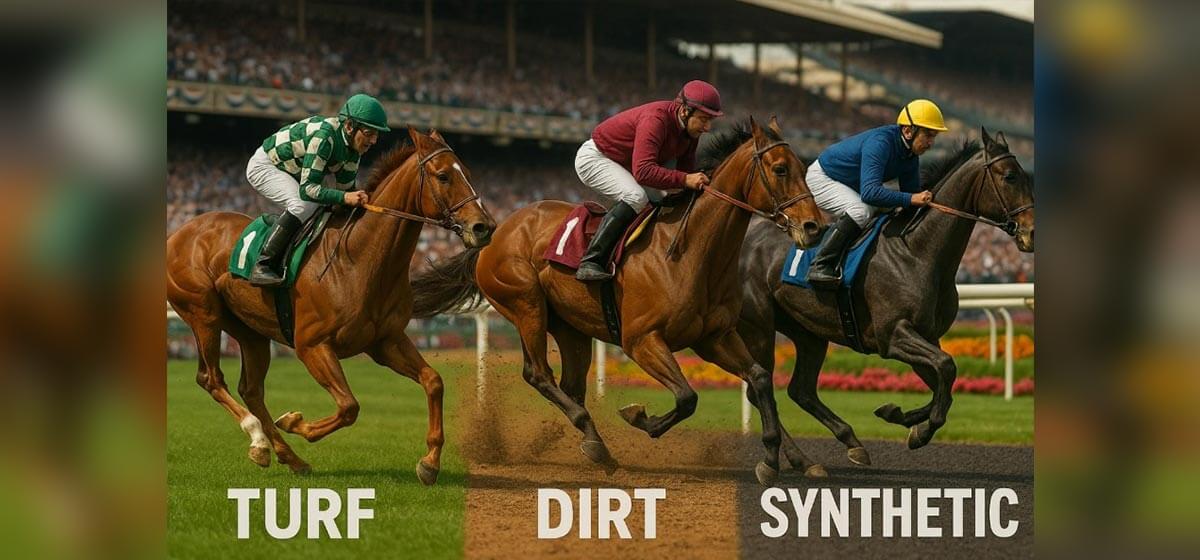
Turf, dirt, and synthetic surfaces each create a signature style of racing. Turf has dominated racing in many international regions because grass handles varied climates and produces a natural, forgiving cushion. Horses travel with longer strides on turf, and the spring in the surface encourages late acceleration. Dirt became the primary surface in the United States because it was readily available, easy to construct, and suited a racing style built around early speed. Dirt tends to reward horses that can break sharply, secure position, and maintain momentum through the first turn. Synthetic surfaces were introduced later with the goal of creating more consistent footing during changing weather and heavy traffic. Their engineered design produces stable traction and even shock absorption.
Each surface alters how a horse carries itself. Turf allows smooth extension of the stride and steady balance around turns. Dirt encourages explosive acceleration and favors horses with powerful hind ends and quick action. Synthetic surfaces sit between the two and often reward runners with stamina and efficient, rhythmic motion. Track layout further influences these differences. Long sweeping turns on turf can benefit runners with a sustained kick, while tighter dirt turns favor tactical speed. Pedigree also reveals reliable patterns. Bloodlines known for producing turf runners tend to perform well on grass, while dirt oriented pedigrees are often linked to early speed and robustness. Understanding these traits helps bettors determine which horses are naturally suited to the surface before the race begins.
2. How Each Surface Is Constructed and Maintained: What Bettors Need to Know
Racing surfaces differ not only in appearance but also in how they are built and maintained. Dirt tracks are constructed with a stable base and a cushion made from a blend of sand, silt, and clay. The exact mixture and depth influence firmness, energy return, and drainage. Moisture management is a crucial part of dirt track maintenance. Water trucks, harrows, and floats work together to keep the surface even. Too much moisture can make the track sticky and tiring, while too little can create loose footing that reduces traction.
Turf requires careful agronomic management. Grass types, soil depth, root structure, irrigation, mowing height, and overseeding all influence how firm or forgiving a turf course becomes. A healthy root system allows the turf to withstand racing traffic and recover between meets. Track crews use specialized maintenance equipment such as mowers, rollers, aerators, and irrigation systems to maintain consistent footing.
Synthetic tracks are engineered from sand, fibers, rubber, and wax. Polytrack and Tapeta are two of the best known blends. Tapeta often has a more uniform composition, while Polytrack varies slightly depending on where it is installed. Synthetic surfaces are designed to cushion impact and offer steady traction. Maintenance involves grooming machines and tining equipment that aerate the surface and redistribute materials to prevent compaction. Temperature plays a role as well. Cooler conditions can firm synthetic surfaces, while heat can soften them and increase depth.
Maintenance schedules influence race day performance. Dirt may tighten or loosen as moisture changes. Turf evolves as lanes wear throughout a meet. Synthetic tracks regain consistency after grooming. Bettors who understand these processes gain insight into why surfaces change from one race to the next and how that may affect the field.
3. Turf Racing in Focus: Rail Settings, Ground Conditions, and the Horses Who Thrive There
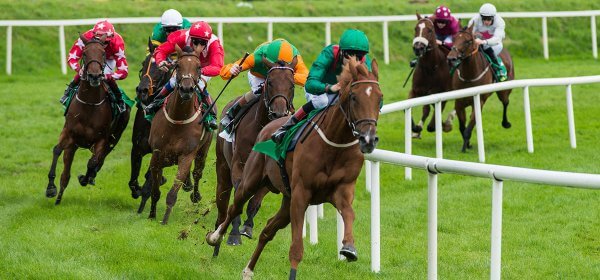
Turf racing contains layers of nuance that can reward observant bettors. One of the most important elements is the turf rail setting. Movable rails are used to protect the inner portion of the course, and adjusting the rail changes the racing path. When the rail is placed far out, the turns become wider, which forces wide runners to cover more ground. This often makes it harder for deep closers to make up the distance. When the rail is at the true position, the course typically plays faster because the inside path is firmer and the geometry of the track returns to its tightest shape.
Ground conditions are another critical factor. Turf can be firm, good, yielding, or soft, and each condition changes how horses travel. Firm surfaces let horses generate speed with less resistance. Yielding or soft ground increases drag and makes each stride more taxing. Horses that rely on a sharp turn of foot usually prefer firmer conditions, while grinders with stamina often handle deeper going more effectively.
Course design influences race shape as well. Inner turf tracks with tighter turns reward horses that can save ground and accelerate quickly, while outer turf courses with longer straights favor runners who build momentum. Pedigree plays a role. Families known for producing turf runners often pass along traits such as lighter action and efficient foot placement. Throughout a meet, turf lanes experience wear. Turf crews rotate rails to allow worn sections to recover, and bettors who track these changes can anticipate how the course will play on any given day.
4. Dirt Track Dynamics: Surface Depth, Kickback, and the Biases Bettors Watch Closely
Dirt racing is known for its raw intensity, but beneath that energy lies a set of measurable traits that skilled bettors learn to interpret. Surface depth is one of the key factors. A shallow cushion creates a faster track because horses break through less material with each step. A deeper cushion absorbs more energy and slows times. Dirt track maintenance teams regularly monitor depth and moisture because small variations can influence performance.
Kickback is another defining characteristic of dirt racing. When a horse digs into the surface, it sends clumps of dirt into the air. Horses running behind must deal with this constant spray. Some handle it without much concern, while others struggle with it and lose interest in running. That explains why front runners and pace pressing horses often enjoy a strategic advantage on dirt.
Weather plays a significant role. A sealed track, prepared before heavy rain, usually becomes firmer on top and can produce faster times. As rain stops and the surface begins to dry, inconsistencies appear. The inside path may become advantageous if, or the outside may provide firmer footing depending on how the surface drains. Bettors often refer to these patterns as biases. Careful review of earlier races can reveal whether the track favors early speed, inside paths, or outside movers.
Pedigree also provides insight. Many dirt oriented bloodlines produce horses with strong hind end power and quick acceleration. Environmental factors such as wind direction and humidity change how the surface behaves throughout the card. Dirt racing rewards aggressiveness, positioning, and an understanding of how subtle surface changes affect pace.
5. The Synthetic Landscape: Polytrack vs Tapeta and Why Some Horses Improve Instantly
Synthetic surfaces were developed to create more consistency in conditions and reduce the extremes seen on dirt and turf. Polytrack and Tapeta are the most recognizable types, and while both use similar components, their blends differ slightly. Tapeta often feels smoother and more uniform, while Polytrack varies from track to track. These subtle differences influence how horses respond to the surface.
Synthetic tracks have significantly less kickback than dirt, creating a more comfortable experience for horses running behind others. Because of this, fields often stay more compact, and pace becomes more balanced. Races tend to develop with steady fractions rather than the sharp early battles common on dirt. Horses with strong stamina and fluid action often excel on synthetic, and turf horses frequently transition well because synthetic surfaces share some of turf’s spring and consistency.
Temperature affects synthetic footing. In cold conditions, the wax becomes firmer and the surface may play faster. In warm conditions, the material softens, creating deeper footing that rewards grit and stamina. Maintenance crews use specialized grooming machines to keep the surface consistent and prevent the material from compacting.
Different circuits have developed reliable synthetic track profiles. Woodbine often rewards strong finishers, while Turfway Park tends to produce competitive races that allow mid pack runners to close. Golden Gate Fields showcases long sustained moves. Understanding these tendencies helps bettors interpret synthetic form and anticipate how races will unfold.
6. How Track Conditions Influence Speed, Stamina, and Running Style Across All Surfaces
Track conditions shape races in ways that past performances alone cannot explain. On dirt, changes in moisture shift the balance between speed and stamina. A sealed track often helps early speed carry farther because the top surface is firm and consistent. When the track begins to dry after rain, it can develop patches of inconsistent footing. Riders adjust their paths to find the best ground, and bettors who pay attention can spot these shifts quickly.
Turf responds to moisture differently because it is a living surface. Firm turf allows horses to use the full length of their stride. When the moisture level rises, resistance increases and stride mechanics change. Horses that rely on a burst of speed may struggle, while those with stamina and balance find an advantage. The impact of moisture on turf is a long observed phenomenon and one of the reasons turf form can fluctuate depending on conditions.
Synthetic surfaces resist moisture variation because they drain efficiently. However, temperature changes do influence footing depth and firmness. Synthetic tracks often maintain steady pace patterns because their composition supports consistent traction.
Conditions evolve as racing progresses. Turf lanes wear down after repeated use. Dirt surfaces tighten or loosen depending on how often crews harrow the track. Synthetic surfaces sometimes settle and then regain consistency after grooming. Bettors who treat conditions as fluid and observe the early races gain insight into how the rest of the card might unfold.
7. Injury Rates and Safety Trends: What Research Shows About Each Surface Type
Surface safety has been studied closely for many years, and long term injury statistics consistently show that surface type plays a role in risk. Dirt, turf, and synthetic surfaces each present different challenges. Dirt can become uneven when moisture distributes inconsistently or when compaction creates harder sections. Turf carries risks related to divots and footing stability, especially when the ground becomes soft. Synthetic surfaces generally cushion impact well, although they require regular grooming to prevent compaction.
Tracks across the country have improved their maintenance practices based on evolving safety knowledge. The use of moisture monitoring tools, regular grading of bases, and consistent grooming schedules has helped reduce surface variability. Trends in safety data reinforce the importance of proper maintenance rather than the idea that one surface is always safer than another. Tracks that invest in consistent monitoring and upkeep tend to produce more reliable footing.
Bettors benefit from understanding that surface consistency matters. A well maintained racing surface supports predictable performance, while a poorly managed one can introduce uncertainty. Modern safety efforts aim to provide uniformity across all surfaces, giving horses a more stable platform to perform.
8. Weather, Wear, and Daily Preparation: Why a Fast or Firm Label Does Not Tell the Whole Story
Weather has a measurable impact on racing surfaces, and bettors who study these effects gain a valuable advantage. Turf is particularly sensitive to moisture. After rain, the outer lanes of a turf course may dry slower than the inner lanes. Riders will often gravitate toward whichever area of the course offers the firmest footing. Even when the official rating says firm or good, different parts of the course may behave differently.
Dirt surfaces change throughout the day. Freeze thaw cycles in cooler climates can disrupt the cushion, requiring extensive harrowing in the morning. Warm weather can dry a dirt track quickly, increasing dust and creating looser footing. Humidity affects drying rates, and strong winds influence how races unfold.
Synthetic tracks handle moisture well, but temperature remains a factor. Cooler temperatures can firm the surface, while heat can increase depth. Maintenance teams adjust grooming techniques to keep the footing consistent.
Between race maintenance has a noticeable effect as well. Dirt may be harrowed, turf divots repaired, and synthetic fibers redistributed. These adjustments influence which paths remain strong and how pace shapes develop. Bettors who watch how horses travel early in the card can identify patterns that continue throughout the day.
9. Practical Handicapping Tips: Surface Specialization, Trainer Patterns, and Key Clues in the PPs
Handicapping becomes clearer when bettors understand surface specialization. Many horses show a consistent pattern of performing better on one surface than another. Past performances offer clues. A horse with strong turf figures but weak dirt efforts is telling you that it prefers the grass. Horses with powerful synthetic records often maintain that form across different synthetic venues because the surfaces share similar characteristics.
Trainer tendencies provide additional insight. Some barns excel with turf runners, while others specialize in dirt speed. Many trainers have predictable patterns when moving horses between surfaces, and these trends often repeat.
Trip notes in the past performances contain valuable information. Horses that struggle with kickback on dirt may run better when placed outside rivals or on another surface. Turf runners forced wide on both turns often have better performances than their results suggest. Synthetic tracks often reward horses with sustained finishing ability, and a strong synthetic closing effort is usually a reliable indicator of future success.
Understanding pace across surfaces is important. Dirt races tend to reward early position because speed horses can control the pace. Turf and synthetic races often unfold with more balanced fractions, placing more emphasis on late pace and stamina. Equipment changes can indicate adjustments made to improve performance on a particular surface.
10. The Future of Racing Surfaces: Technology, Safety Improvements, and What Bettors Should Expect Next
The future of racing surfaces is marked by improved technology, better maintenance practices, and deeper understanding of how footing affects performance. Tracks are investing in sensor systems that measure moisture, compaction, and firmness at various points on the course. These tools help maintenance teams fine tune surfaces and address inconsistencies more quickly.
Synthetic surface development continues to evolve. New blends aim to improve durability, consistency, and weather resistance. Turf innovation includes hybrid grass varieties designed to withstand heavy traffic and recover faster. Dirt tracks benefit from improved grading techniques and moisture control systems.
Greater transparency has become a priority. Many tracks now provide updates on surface conditions and maintenance practices. This information helps bettors understand what to expect on race day.
Racing surfaces will always have distinct personalities. Turf, dirt, and synthetic each bring their own rhythm to the sport. With continuing research, data, and investment in safety, these surfaces are becoming more consistent, predictable, and fair. Bettors who pay attention to how these surfaces behave gain an edge that comes from insight rather than guesswork.