Flat Racing
Harness Racing
Jump Racing
Horse racing is not a one-size-fits-all sport. From lightning-fast sprints on the flat to the calculated rhythm of harness racing and the stamina-testing drama of jump racing, each format brings its own thrill and strategic angle for bettors. Understanding the types of horse races not only deepens your appreciation for the sport but also equips you with insights that can improve your wagering. Below, we will explore flat racing, harness racing, and jump racing in detail, highlighting what sets each apart and how bettors can approach them with smarter strategies.
1. Flat Racing: The Foundation of Thoroughbred Competition
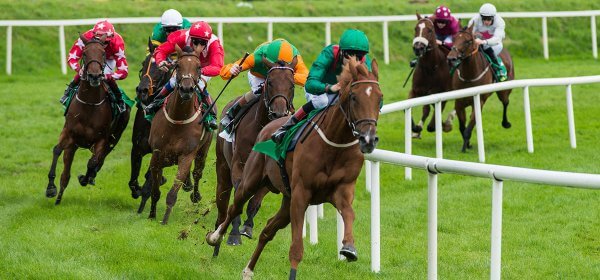
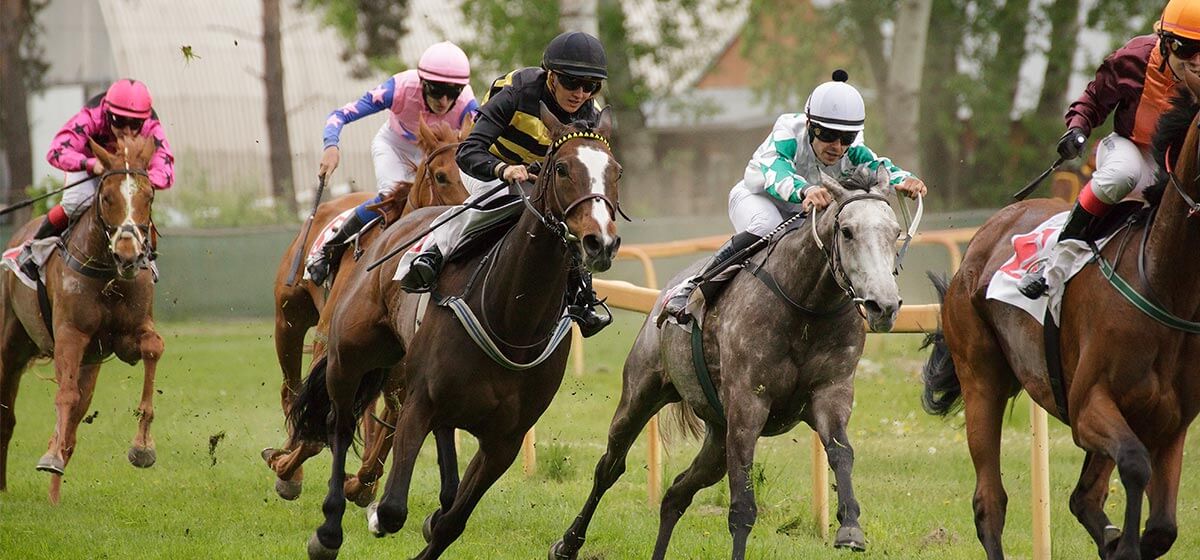
Flat racing is the most popular and widespread type of horse racing worldwide. The appeal lies in its simplicity: horses race over a level course without obstacles, making pure speed and stamina the ultimate test. Yet beneath this simplicity is a world of nuance. Distances vary widely, from five-furlong sprints to endurance contests stretching over two miles. Track surfaces add another layer of complexity, as dirt, turf, and synthetic tracks all play differently. Bettors must pay close attention because horses that excel on dirt may falter on turf, while others thrive on artificial surfaces.
Pace dynamics are a central factor in flat racing. Some horses, often referred to as front-runners, seize the early lead and try to wire the field, while others prefer to sit just behind the leaders as stalkers, waiting for their chance to pounce. Closers, on the other hand, conserve energy until the stretch run, hoping for a collapsing pace. Successful handicappers study running styles and predict whether the pace scenario will benefit early speed or late kickers.
Class levels also shape flat racing. Graded stakes showcase the elite, allowance races feature proven competitors climbing the ladder, and claiming races involve horses available for purchase at a designated price. Spotting horses moving up or down in class can often reveal a strong betting angle.
Finally, the role of the jockey cannot be overstated. A talented rider knows when to save ground, when to shift outside, and when to ask for full speed. Watching rider statistics, especially win percentages at certain tracks, is as important as studying the horses themselves. Flat racing may look straightforward, but those who appreciate its layers often find betting opportunities others overlook.
2. What Is Jump Racing? National Hunt Hurdles and Steeplechases Explained
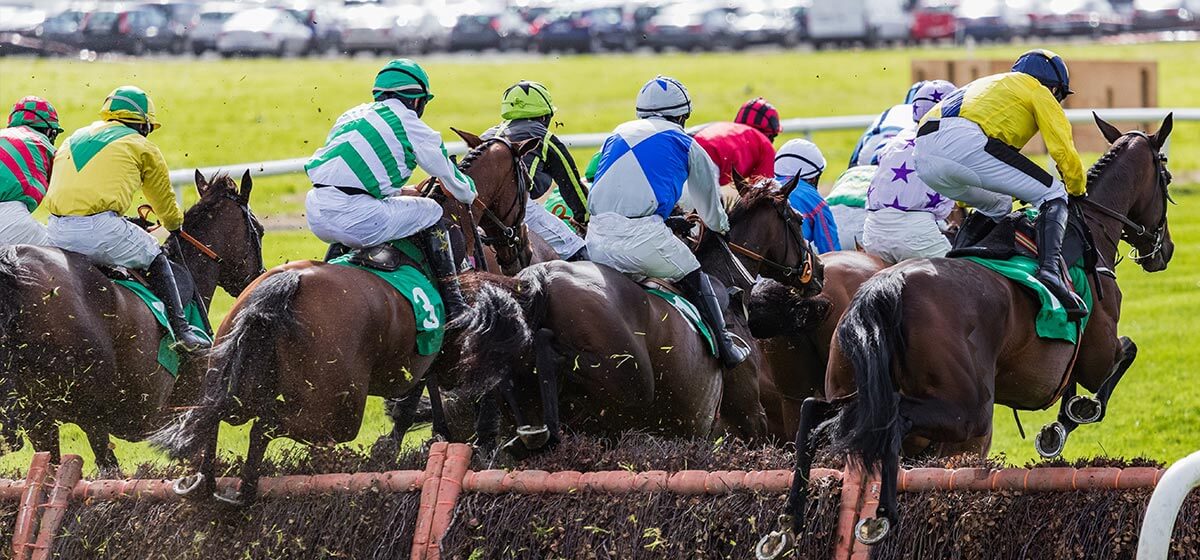
Jump racing, often called National Hunt racing in the United Kingdom and Ireland, is a form of competition where horses race while clearing obstacles. It provides a unique test of stamina, bravery, and athleticism. Within this format, there are two main categories: hurdle races and steeplechases. Hurdles involve smaller obstacles that horses can clear with speed and rhythm, while steeplechases use larger fences, water jumps, and more demanding distances. The distinction matters greatly for bettors, since some horses excel over hurdles but struggle with the stamina required for steeplechases.
The profile of a successful jumper is very different from a flat racing specialist. These horses are typically strong stayers with plenty of endurance. They also need agility to clear obstacles and composure to handle the longer distances. Many steeplechasers begin their careers in flat racing before transitioning to jumps, which makes form analysis critical. A horse that shows stamina on the flat can develop into a competitive jumper, but raw speed alone rarely transfers into jump racing success.
Timing is another factor that bettors should consider. Jump racing is predominantly a winter sport in Europe, with iconic fixtures like the Cheltenham Festival in March and the Grand National at Aintree in April. These events attract international attention, and their competitive fields demand sharp handicapping.
Perhaps the most crucial factor in jump racing is ground conditions, known as the “going.” Heavy, muddy ground can turn a three-mile chase into a true test of survival, while firmer ground rewards horses with quicker action. Bettors who study how horses handle different surfaces gain a strong edge. Unlike flat racing, where fractions and finishing speed dominate, jump racing often rewards those who understand stamina, conditions, and jumping reliability.
3. Harness Racing vs Thoroughbred Racing: Key Differences to Know
When discussing types of horse races, harness racing occupies a fascinating niche. It differs significantly from thoroughbred flat or jump racing, both in style and in the type of horses involved. Harness racing requires Standardbreds, a breed developed specifically for stamina and consistency. Unlike thoroughbreds, who gallop in their races, Standardbreds compete at controlled gaits, either trotting or pacing. Trotters move their legs in diagonal pairs, while pacers move laterally, with both legs on one side moving together. In North America, pacers dominate the scene because their stride is smoother and they are less likely to break stride.
The physical and mental makeup of Standardbreds sets them apart from thoroughbreds. They are stockier, sturdier, and better able to withstand the rigors of frequent racing. This durability makes harness racing a consistent betting product, as horses often run multiple times in a month, giving bettors more recent data to analyze. Thoroughbreds, by contrast, may run only once every four to six weeks.
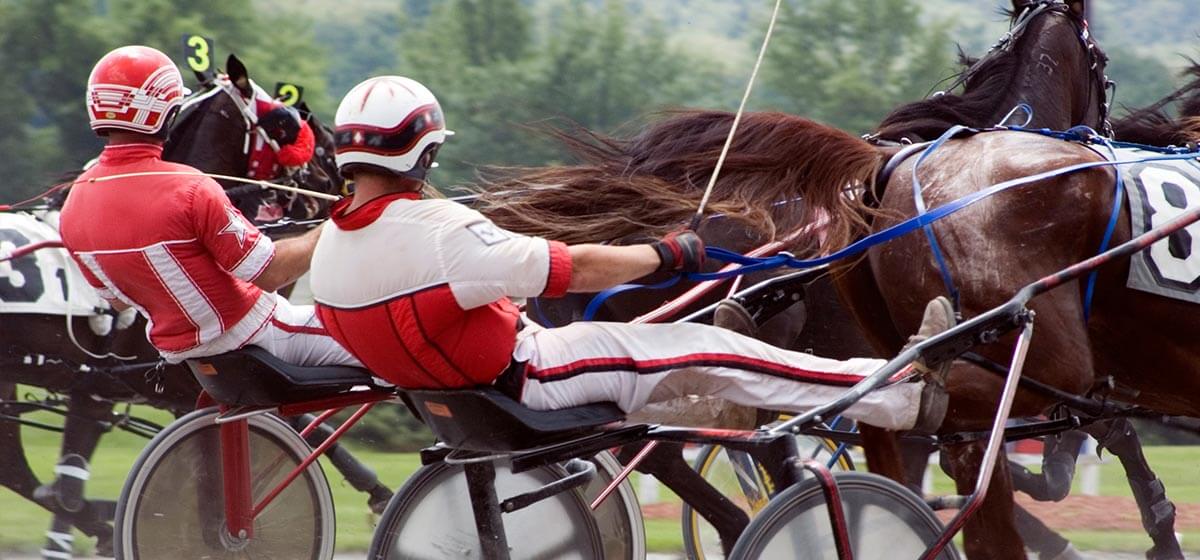
The structure of harness racing is also distinctive. Horses compete while pulling a sulky, a two-wheeled cart steered by a driver. Maintaining gait is essential, as a horse that breaks into a gallop risks disqualification. For bettors, this introduces a tactical element: drivers must keep horses steady while also finding the right moment to challenge.
Harness races tend to produce more predictable outcomes compared to thoroughbred events. While upsets occur, the overall consistency of Standardbreds often makes harness racing friendlier for bettors who prefer logical results. This dynamic influences betting approaches. Exotic wagers like exactas, trifectas, and superfectas are appealing, since bettors can structure tickets around reliable contenders without depending on extreme longshots. Comparing harness racing vs thoroughbred formats helps bettors choose their comfort zone. Some prefer the volatility of thoroughbreds, while others appreciate the steady rhythm of harness racing.
4. Inside Harness Racing: Sulkies, Standardbreds, and Strategic Gaits
Harness racing deserves its own spotlight because of the strategy involved. Drivers play a role similar to jockeys but face different challenges. A driver must control both the horse’s gait and pace while steering the sulky. Decisions such as when to leave the rail or when to conserve energy for the final stretch can be decisive. Unlike thoroughbred racing, where split-second moves are often about speed, harness racing rewards measured tactics and patience.
Track design is another crucial factor. Most harness races are contested over a mile, but the size of the oval varies. On half-mile tracks, inside post positions provide a strong advantage because turns come quickly, favoring horses that can secure early position. On larger tracks, such as mile ovals, closers often have more time and space to make their moves. For bettors, understanding the impact of track size is essential.
Post positions play a significant role in handicapping. Horses starting from inside posts often get more favorable trips, saving ground and securing better early placement. Outside posts can be a disadvantage, especially on smaller tracks, unless the horse has superior early speed. Savvy bettors always weigh post position alongside form and pace style.
Harness racing form lines also provide valuable insights. Bettors often examine final quarter times to gauge finishing strength. A horse that consistently finishes fast in the last quarter is usually in good form and can be a live contender. Conversely, a horse prone to breaking stride represents added risk. Reading and interpreting these patterns separates casual bettors from sharp ones. Harness racing may not carry the glamour of thoroughbred events, but for bettors who value strategy and consistency, it can be one of the most rewarding formats.
5. The Thrill of Steeplechase: Obstacles, Endurance, and Iconic Races
Steeplechase racing is one of the most dramatic forms of horse racing. Unlike flat contests, these events include a variety of obstacles such as brush fences, water jumps, and timber. Each challenge demands balance, stamina, and confidence from the horse. Watching how runners handle these fences is a key betting factor, as one poor jump can cost a race.
The distances in steeplechasing are another distinguishing feature. Many races extend to three miles or longer, demanding both aerobic fitness and tactical patience. Horses cannot simply sprint from the gate; they must conserve energy while negotiating fences. Bettors should study how horses perform over distance and look for proven stamina.
The Grand National at Aintree stands as the most famous steeplechase in the world, attracting global attention each spring. With its daunting fences like Becher’s Brook and its grueling distance of over four miles, it has become a race where legends are made. The Cheltenham Gold Cup is another highlight, known for its prestige and competitive fields. These events demonstrate that steeplechase racing is more than a niche pursuit; it is a cornerstone of horse racing history.
For bettors, pitfalls often arise when overvaluing flat racing form. Horses that flash speed in short races on the flat may not stay the trip or handle fences. A more reliable indicator is prior jumping experience combined with consistent stamina. Another critical factor is ground condition. Heavy, muddy tracks add extra strain, turning a three-mile chase into a test of survival. Recognizing how horses adapt to conditions often makes the difference between winning and losing tickets. Steeplechase betting rewards those who respect stamina, obstacles, and resilience.
6. Comparing the Main Types of Horse Races: Which Format Excites You Most?
Each type of horse race offers a different blend of athletic ability and tactical challenge. Flat racing focuses on raw speed and acceleration, making it ideal for fans who enjoy explosive finishes. Harness racing emphasizes rhythm, consistency, and the controlled execution of gaits, while jump racing tests endurance, bravery, and jumping technique. For bettors, understanding these differences is vital when deciding which style best suits their wagering approach.
Betting opportunities also vary across formats. Flat racing, with its large pools and diverse class structures, often delivers the biggest exotic payouts. Harness racing tends to be more predictable, which means many bettors focus on structuring exacta and trifecta tickets around reliable horses. Jump racing sits somewhere in between, offering long odds and dramatic swings, but requiring careful study of stamina and ground conditions. Choosing the right type of horse race to focus on can sharpen a bettor’s edge.
Regional popularity also plays a role in accessibility. Flat racing dominates in North America, Asia, and the Middle East. Harness racing has strong roots in North America and parts of Europe, while jump racing remains most popular in the United Kingdom, Ireland, and France. A bettor’s regional exposure often determines which type of racing they are most familiar with, but exploring other formats can provide new opportunities.
Ultimately, finding success in horse racing involves identifying your niche. Some bettors excel at predicting pace setups in flat races, others thrive by analyzing harness racing form lines, and some enjoy the challenge of assessing jumpers over fences. There is no single correct answer. The beauty of horse racing lies in its variety, and every bettor can find the format that best matches their instincts and style.