1) Pace vs. Trot: Mechanics, Break Risk, and Reliability
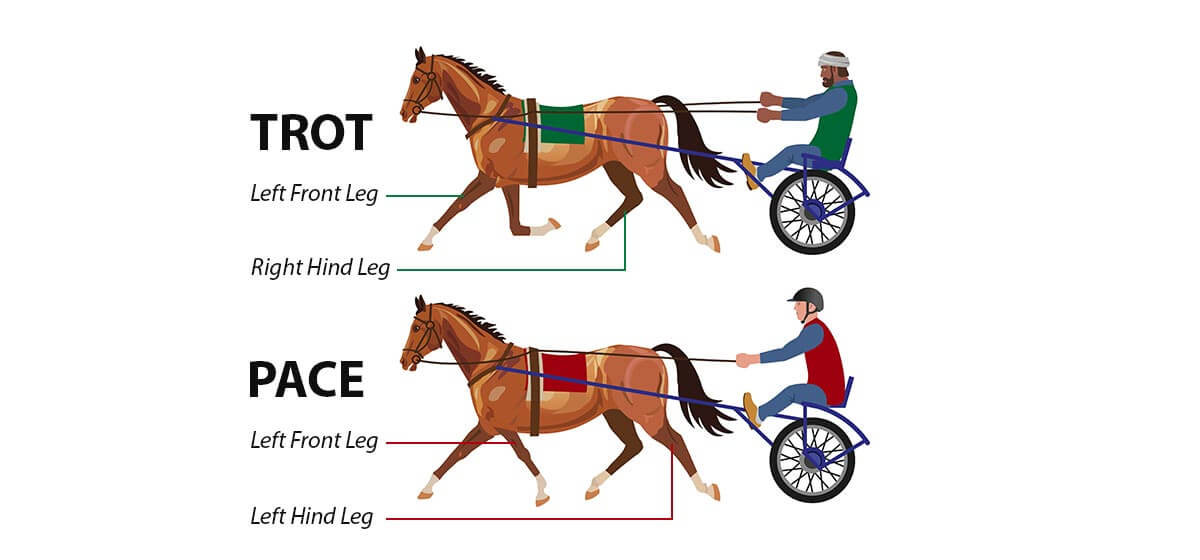
Pacers and trotters do not travel the same way, and bettors who grasp the mechanics of each gait gain a steady edge at the window. Pacers move the legs on the same side together, a lateral pattern that produces a smooth, efficient rhythm and often steadier behavior at speed. Trotters use diagonal pairs, which creates a springy stride that can be brilliant yet easier to disrupt when pressure peaks. Those mechanics flow straight into reliability for wagering. Pacers typically rate as more consistent because hopples help a horse keep the lateral beat under acceleration and fatigue, which reduces missteps and keeps past performance lines tidy. Trotters can be flawless when balanced and calm, yet they carry a higher statistical risk of breaks, especially into the first turn or when asked for a sudden burst in tight quarters. That difference influences ticket design. With pacers, the stable cadence supports win and exacta plays keyed to position and pace control. With trotters, a single miscue can scramble the order and inflate payouts, which rewards bettors who spread through trifectas and supers while demanding fair prices. Different horse gaits are not a cosmetic detail. They are the engine under the hood, and that engine determines how often the ride stays smooth from the start to the wire and how confidently you can structure your bets.
2) Pace vs. Trot: Race Shape, Fractions, and Track or Post Bias
Race shape often splits along gait lines, and that should guide every ticket. Pacing races frequently deliver sharper opening fractions, cleaner pocket trips, and a higher chance that a forward horse protects position all the way home, which favors runners with tactical speed and the ability to clear or sit second without overheating. Trotting races often breathe in the middle, with measured second and third quarters before late power decides the finish, which upgrades horses that show reliable last quarters and patience behind cover. Post and track configuration add more clues that bettors can bank on. Inside draws are a real weapon for pacers because the first turn arrives quickly and the lateral gait holds position well, while longer stretch runs can help trotters who build gradually and shift to top gear late. Weather and footing add another layer. On wet or tacky tracks, balance matters more than flash, and horses that keep a clean gait across multiple surfaces deserve respect. None of this is guesswork. It reflects the practical way different horse gaits interact with distance, layout, and surface, and those interactions turn ordinary past performances into a map that guides smarter, value focused bets for both conservative and aggressive bankroll strategies.
3) Are Dutch Harness Horses Gaited? Definition and Breed Traits
Bettors often search the phrase are Dutch Harness Horses gaited and the answer hinges on correct terminology. In common equine usage, a gaited breed performs special ambling gaits such as the running walk or rack that are distinct from the standard walk, trot, and canter. Dutch Harness Horses are not an ambling breed. They are bred for a high, animated trot with expressive knee action and an upright frame that shines in carriage and show disciplines. That trot remains a trot, not a lateral pace or an intermediate amble, which is a key distinction for accurate handicapping language. A broadcaster might casually say gaited to describe a flashy mover, yet that label can mislead bettors who are comparing gait mechanics across racing codes. The DHH can display breathtaking animation, but that expression does not create the lateral efficiency of a pacer or the race tuned economy of a Standardbred trotter. In wagering terms, keep the vocabulary precise. If you mean ambling gaits, Dutch Harness Horses do not fit. If you mean a stylish trot, the description applies, although it has limited direct relevance to pari mutuel harness racing. You win more often when your definitions match official usage and the stopwatch because clear language prevents faulty analogies and keeps your form reading anchored to how horses actually move.
4) Are Dutch Harness Horses in Racing? Standardbreds, Eligibility, and Bettor Takeaways
Modern North American harness races are built on Standardbreds, a breed refined for speed, stamina, and a mindset suited to regular qualifiers and frequent starts. Eligibility rules, registration requirements, and performance standards all funnel entries toward that population for both pacing and trotting events, which gives bettors consistent data across seasons and tracks. Dutch Harness Horses, while athletic and impressive, are primarily seen in driving and show arenas rather than pari mutuel cards. When bettors ask are Dutch Harness Horses gaited, the practical takeaway is that the everyday race you handicap almost certainly features Standardbreds only, so your research should center on Standardbred lines, sectional tendencies, and equipment notes that repeat predictably. On the rare occasion a non Standardbred type appears in a specialty or exhibition context, treat the race as an outlier. Compare qualifiers and recent timed efforts with care, note conditioning differences that arise from training for presentation instead of the grind of weekly racing, and demand value to compensate for unfamiliar form. Standardbreds supply consistent charts, repeatable sectional patterns, and driver or trainer profiles that remain meaningful year to year. That consistency is the foundation you want when converting insight into a ticket that holds up under pressure because reliable gait behavior supports disciplined projections and measured risk.
5) Betting Edge with Gaits: Gear Signals and Form Patterns
Equipment is a language, and bettors who read it fluently can spot improvement before the public reacts. Pacers commonly wear hopples to stabilize the lateral gait, and a change in hopple length can signal a trainer’s attempt to sharpen or settle cadence. Trotters often race without hopples, although trotting hopples appear in some cases to help a horse stay square under speed. Headpoles can keep a horse from bearing in or out, while shoeing adjustments add grab or reduce weight to match surface conditions and distance demands. These signals gain power when paired with time and behavior. A trotter that adds hopples and posts a clean qualifier after two breaks deserves a look at a fair price. A pacer that shortens hopples and finds better balance into the first turn can convert inside speed into a pocket trip that pays the exacta. Form patterns tell the rest of the story. Repeated breaks on a trotter are a warning light until a qualifier or a clean comeback proves the issue solved. For pacers, rising middle splits followed by solid last quarters point to a horse that can brush twice without flattening. Keep notes that link equipment shifts to sectional outcomes and you will recognize value before it appears on the tote board.
6) Betting Edge with Gaits: Wager Construction, Tote Clues, and Replays
Once you understand different horse gaits, you can build tickets that match the likely script. In pacing races where early speed is powerful and inside posts help protect position, lean on win and exacta structures keyed to forward horses with tactical speed and proven efficiency around the first turn. In trotting races, where volatility rises because a single miscue can scramble the order, allocate more budget to trifectas and supers while insisting on prices that compensate for risk. Tote action offers one last layer of insight. Quiet but steady support for a clean gaited trotter coming off a strong qualifier can indicate stable confidence that the horse will stay flat. Live money for an inside drawn pacer with gate speed often telegraphs a pocket ride that turns into a top two finish. Replays confirm or correct what numbers blur. Watch for trotters who stay square through traffic and maintain rhythm when bumped or forced to change lanes, and note pacers who accelerate to position, relax in the pocket, and re accelerate late without losing that lateral beat. Build a fair odds line before you look at the board, then compare it to live prices and act only when value appears, since disciplined alignment of gait logic, tote signals, and replay proof turns sharp reading into cashable results.