Harness racing balances calculation and feel, where a split second choice at the gate can decide the photo. If you are betting these races, learning what a driver actually does is not optional. It is how you price pace, position, and the moments that never show in the chart line. This article starts with simple clarity, including what do you call harness drivers and why the label matters for research, then moves through the core skills that shape trips. We compare the top 3 roles and responsibilities of a train driver with the realities of the bike, use Rick Plano harness racing as a case study in repeatable tactics, and finish with practical steps that turn observations into Win, Exacta, and Exotics decisions. Along the way, we keep the tone straight and the details grounded, so the next time you scan entries or watch a replay, you can see the race before it happens and bet it with purpose. Famous harness racing drivers did not build reputations by accident, and once you recognize their habits, the board starts to make more sense.
1) What Do You Call Harness Drivers? The reinsman or driver explained, and why the title matters to bettors
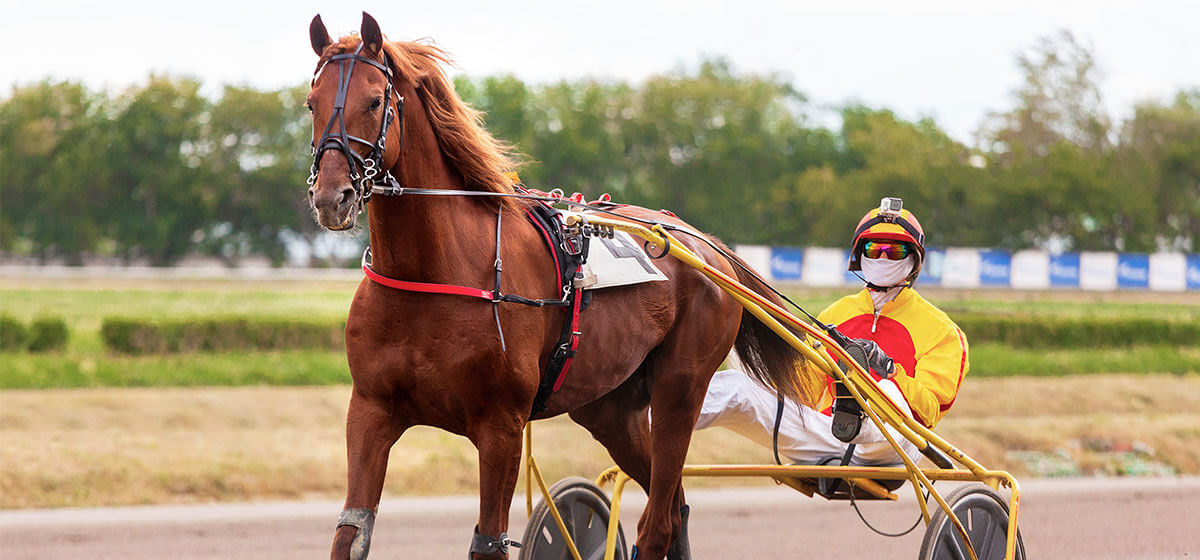
In North American racing programs, charts, and replay libraries, the correct label is driver, although reinsman is still used in conversations and older publications. Using the right term matters because databases, track result charts, and leaderboards index performance under driver, so a bettor who searches only for reinsman will miss critical statistics. When someone asks what do you call harness drivers, the practical answer is driver, and adopting that word unlocks complete past performances, UDR or UDRS figures, and sortable driver standings that directly inform prices. Drivers are licensed by state or provincial commissions, and tracks enforce rules that cover legal hand driving, lane discipline, permitted use of the whip within modern safety standards, and mandatory protective equipment such as helmets and safety vests. These guidelines influence outcomes, since balanced hands and straight lines reduce interference and lower the risk of a break of gait. In the program, the driver line sits near trainer, post, and sometimes morning line odds, which lets you compare win percentage and in the money percentage against the field while respecting sample size. A 5 for 15 heater can reflect form, or it can be random variance, and context separates the two. It also helps to separate responsibilities. Trainers condition horses and set equipment like hopples, bits, and shoes, while drivers make tactical decisions after the gate releases. Some driver trainer combinations outperform their individual stats at specific circuits, which creates repeatable betting angles. Half mile ovals often reward inside posts and sharp gate timing, while mile tracks with longer home stretches give late runners more room. Getting the name right is not trivia, it is the first step to accurate data and better wagers.
2) The Driver’s Core Job: Controlling pace, securing position, and communicating with Standardbreds
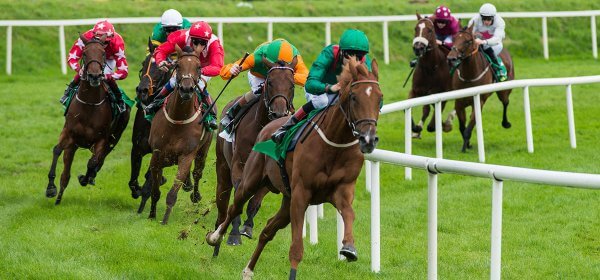
The work begins the instant the wings fold. A skilled driver must decide whether to blast for the front, slide for the pocket, or accept mid pack cover, and that choice depends on the horse’s preferred energy distribution and the likely habits of rivals. That decision sets the trip architecture. A pocket sit can create a rail launch in the lane, a quarter move can seize control before the half, a first over grind can wear down leaders, and a live cover tow can set up a slingshot finish. Bettors who study replays can recognize these patterns, anticipate fractions, and attach realistic probabilities to each outcome. Communication is constant throughout. Drivers guide with the lines to keep balance and direction, use short voice cues for focus, and adjust body position to steady or encourage. Pacers generally maintain speed with more stability, while trotters demand rhythm to avoid breaks, so timing the ask changes by gait and temperament. Track layout and post position shape the menu of options. Half mile ovals with tighter turns favor inside draws and quick tucks before the first bend, while mile ovals and longer stretches reward patience and sustained late runs. Risk control in traffic is a second job that never stops. Avoiding heels, clearing tiring horses before momentum disappears, and holding a straight line in the stretch can save several lengths that do not appear in chart comments but do decide photos. Break management, especially with trotters, requires calm hands that rebuild cadence without panic. Energy conservation is the final layer. The best drivers resist ego duels into a 27 second opening quarter, wait for the flow to ease, and then ask, which preserves finish and turns decent setups into winning trips.
3) “Train Driver” vs. Harness Driver: Top 3 roles and responsibilities of a train driver compared with a harness driver
The comparison highlights why driver skill belongs in every handicapping model. The top 3 roles and responsibilities of a train driver are safety, speed regulation, and punctual operation within a mechanical system that runs on fixed rails and follows signals. The design goal is predictability. A harness driver operates in a live, tactical environment that changes every second. The horse reacts to pressure, sound, wind, and fatigue, while competitors around them also make choices that change the flow. Where a train follows routing, a harness driver practices racecraft, reading evolving fractions, deciding whether to seize the engine or sit the pocket, choosing the moment to tip first over, and managing cover to hit the lane with momentum. The risk profile also differs. Trains operate in controlled corridors that remove interference, while harness fields create traffic, potential wheel contact, and the constant risk of a break of gait. A skilled driver mitigates this chaos with position, smooth hands, and decisive commitment when a seam opens. For bettors, the lesson is clear. Mechanical predictability does not translate to sulky tactics, so you must price human decision making. A driver who creates pocket trips on half mile tracks is a meaningful upgrade in your line on those nights, while the same driver might be a smaller upgrade on a long stretch mile oval where patience and a clean late lane matter more. Modeling the dynamic, horse human interaction is the edge. Estimate how a specific driver will communicate with a specific horse, on a specific layout, against a specific pace scenario, and your prices will reflect reality rather than hope.
4) Rick Plano Harness Racing: A case study in trip craft, timing, and long term consistency
Rick Plano harness racing provides a reliable lesson in how repeatable habits turn into value. Plano has long worked as both driver and trainer, which lets him link equipment choices and warm up observations to tactics that suit a horse’s cadence. On replays, you often see him protect early position from a favorable post, float enough to avoid getting trapped, then launch a measured brush when the flow eases. That pattern shows up across seasons and circuits, and a bettor who recognizes it can anticipate trip before the quarter call is posted. Form and placement cues help further. A Plano trainee that steps down in class, gains post relief, or makes a second start off a layoff often moves forward once fitness catches up, and those are conditions you can spot in the program. Circuit familiarity also matters. Drivers who know a colony read rivals faster, and Plano’s choices in traffic show that experience. Barn affinities frequently repeat as well. Some horses click with him because his timing matches their energy profile, and those pairings can outperform raw odds before the public adjusts. Weather and wind influence tactics in practical ways. Headwind on the backstretch often encourages him to seek cover and delay the pop, while calm nights make an earlier move more attractive. Translating these observations into wagers is straightforward. Upgrade Plano on tactical pacers with honest finishes, ask for value when a wide post on a half mile track restricts early options, and look for replays that show smooth cornering and a straight, focused lane. Consistency and experience are the thread, and they are exactly what a bettor can model.
5) Famous Harness Racing Drivers: How elite reinsmen shape race flow, and how to bet with their tendencies
Studying famous harness racing drivers is one of the best ways to predict how a race will unfold. Names like John Campbell, David Miller, Tim Tetrick, Yannick Gingras, Brian Sears, and Dexter Dunn earned reputations for precise placement, clear timing, and consistent reads on fractions. Their presence alone can change behavior in a field. Aggressive pilots often force a sharper opening quarter that strings rivals out, while patient stylists sit for a single strike that compresses the middle stages. Map these tendencies to the horse in your notes. A free running pacer with an inside draw benefits when a take charge driver secures the engine and moderates the half, while a one run closer thrives when contested fractions and reliable cover are likely. Driver colony depth influences prices. At the Meadowlands and similar venues, markets respect marquee names quickly, so overlays can hide with capable locals at smaller tracks where the board moves later. Driver changes deserve careful analysis rather than hero worship. A switch to a top name can be worth a length or two in expectation, but only when the style fits. If a trotter struggles around turns, a pilot known for patient, smooth cornering adds more value than a pure speed specialist. Replays are the best proof. Look for hesitation into the first turn, a clean pocket pop, or the ability to keep a straight line under pressure. Convert those observations into decisions about Win, Exacta, and Multi Race structures that anticipate the trip instead of reacting after the fact. The goal is to bet the likely movie, not the highlight reel.
6) Turning Knowledge into Bets: Applying driver intel to Win, Exacta, and Exotics
The payoff for learning driver tendencies is better pricing and cleaner tickets. Start by pairing a driver’s style with a horse’s ideal trip on the specific layout. If your notes say a pilot times quarter moves well on mile ovals and your pacer changes gears cleanly, raise the probability of clearing or securing the pocket before the half. That adjustment changes your Win line and reshapes Exacta plans because it clarifies who probably sits behind the speed. In Multi Race bets, use profiles to separate A and B tickets by plausible race shape rather than by raw speed figures. On half mile tracks, lean into inside posts paired with drivers who break sharply, and temper expectations for deep closers who need multiple race flow favors. On long stretch venues, give extra credit to patient drivers who keep horses straight and focused late. Treat driver changes with discipline. A positive switch gains value only when the incoming pilot’s habits actually match the horse, for example a calmer hand for a hot trotter or a fearless gate artist for a sprinter that wants the front. Recent UDR should be context rather than a trigger. Confirm with replays that decision making is crisp and that the driver is reading flow accurately. Anchor your process to the pillars covered here. Use the correct term when researching so your data pulls are complete, since knowing what do you call harness drivers prevents empty searches. Track Rick Plano harness racing patterns to spot intent and trip potential before the board moves. Profile famous harness racing drivers so you can forecast fractions, not just hope for them. Remember that the top 3 roles and responsibilities of a train driver do not map to racecraft. When these ideas line up, even a $1 saver in the right Exacta can turn a good opinion into a profitable night.