Veteran jockeys do not wait for the bell to start thinking. They build a picture long before the field walks onto the track, then react in fractions of a second when the gates open. What follows is the process from their side of the saddle, translated for bettors who want evidence they can see on film and in the past performances. The focus is on race reading techniques that hold up under replay, on the constant judgment of inside vs outside trips, and on how course layout turns small choices into winning moves. Use these insights to read a race the way they do, and to make prices that match reality.
1. Race Reading Techniques: What jockeys assess before the break - pace projections, gate speed, and likely pressure points
Experienced jockeys begin by sorting the field into roles using the record every bettor can see. Past performances reveal which runners have been first or second at the opening call and which ones arrive late, so they classify need-the-lead types, pressers, stalkers, and closers. That is the foundation of race reading techniques because early fractions and pace figures repeat patterns across similar distances and classes. Replays then add behavior at the break. Some horses leave straight and sharp, others hesitate or drift, and those habits decide whether a rider can secure the pocket or must float outside. Post position is interpreted through the distance to the first turn. When the bend arrives quickly, outside posts usually have to spend early energy to avoid being parked wide. When the run-up is longer, a tactically quick horse from the middle or outside can clear or tuck without panic. Surface and weather are treated as data, not opinion. Dirt rewards position and tolerance for kickback, while turf and synthetic reward rhythm and cover because a relaxed horse expends less energy. Wind can inflate or deflate the opening splits, and moisture often tilts lanes toward or away from the rail. The most seasoned riders walk to the gate with more than one script. They carry a primary plan and a contingency so they can claim the fence if a seam appears or angle out if traffic forms. Bettors who mirror that routine can project the first-call order and locate pressure points that determine where value will appear on the board.
2. Pace Pictures in Real Time: Fractions, flow, and when to sit, send, or stalk
Once the latch opens, elite jockeys match the posted fractions against class par for that distance and surface. A quarter and half that outrun par predict that late energy will matter. Soft splits point to a day when forward placement carries farther. They do not rely on time alone. Flow tells them who is spending fuel. A loose leader that sneaks a breather can stretch, while a leader locked in a duel burns through reserves even if the clock looks ordinary. A staggered chase line lets a stalker draft and save energy for the far turn. Body language is their live read. Shortening strides, rising head carriage, pinned ears, or a rival being asked early are signals that appear before another number flashes on the board. Good riders act a beat ahead of those cues. When a leader begins to shorten, they want their horse already building through the bend so momentum meets the head of the lane. If another rider commits too soon, a patient stalker can delay two counts and pass a spent rival inside the final furlong. Sprinters with a quick turn of foot prefer a controlled middle; routers with a steady cadence handle honest splits. All of this is grounded in track-specific par charts and repeated sectional tendencies by surface. Bettors who review whether a horse advanced into a hot pace or held position through a soft middle half can separate trips that were flattered by shape from efforts that overcame it. When the next card offers a similar shape, those notes point directly to value.
3. Positioning for Advantage: Saving ground, securing cover, and timing the move through traffic
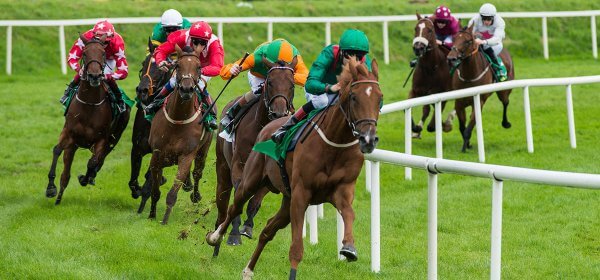
From a jockey’s seat, ground is measurable currency. One path wide around two turns adds real distance, which is why the classic rail-saving ride often outruns a flashier three-wide rally when figures are equal. On turf and synthetic they place a premium on cover because the air is cleaner behind a shield and a keen horse settles, preserving energy for the final furlong. They do not wait for chance. They plan exits two poles early, placing their mounts where a seam is likely to open so the horse never has to stop to change lanes. The horse’s acceleration profile decides the route. A runner with a short burst belongs inside where gaps appear and vanish in a heartbeat. A runner that needs a long build belongs outside where cadence can rise without interruption. Every path carries risk. Inside lanes save ground but invite checks when a tiring rival backs up. Outside lanes avoid heels and spray but pay a distance tax. Veteran riders balance those costs against what the horse has shown in prior finishes and morning works. Bettors can grade the same decisions by asking three simple questions when watching replays. Did the trip save ground without breaking rhythm. Did cover relax a headstrong horse so he finished sharper. Did the chosen lane match the horse’s proven acceleration style. Trips that answer yes to those questions are the ones that repeat when surface, distance, and field size line up again, and that is where a fair price should lean.
4. Inside vs Outside Trips: When the rail pays vs when wider is wiser (bias, field size, and turn geometry)
The choice between inside vs outside trips begins with bias evidence on the day. Jockeys read it early. When winners hug the fence and sustain momentum, the rail is likely live. When riders consistently shift off and the three or four path produces the best finishes, the rail is dull. Field size reshapes the risk. In a compact group of six or seven, the fence can deliver smooth travel with fewer checks. In a field of twelve or more, inside space compresses and stop-start trouble grows, so clear air outside becomes safer for horses that resent kickback. Dirt magnifies the effect because spray in the face can sour a horse that might otherwise finish. Wind and weather tilt the board as well. Crosswinds punish wide arcs, headwinds blunt outside rallies, and tailwinds can carry a move in the clear. Turn geometry ties it together. Tighter bends increase the penalty for being wide, while sweeping turns reduce that penalty and let a sustained mover lengthen stride smoothly. Seasoned riders combine all four levers in the moment and pick the lane that fits both the day and the horse. Bettors can keep a simple log by date that tracks which lanes were efficient, what the surface condition was, how the wind blew, and whether moisture changed the picture late in the card. When that log says the fence is live and a forward runner draws inside, a shorter fair price is justified. When the log says the rail is dull and a big field lines up, value often lives with horses that can travel in the clear.
5. Outside Trip vs Inside Trip by Layout: Sprints, routes, tight turns, and sweeping bends - how course design shapes decisions
Course design sets the rules that jockeys must play by, which is why outside trip vs inside trip analysis starts with run-up length, turn radius, and stretch length. Short run-up sprints funnel fields toward an early bend, creating pinch points for inside posts and giving outside posts a path to avoid the squeeze if they break sharply and clear. Two-turn routes reward rail economy into both bends, yet an outside path can be optimal when a horse secures clean flow and builds speed without interruption. Track architecture matters. Bullring-style ovals with tight turns magnify ground loss for wide paths and reward crafty rail-saving rides. Larger ovals with long, sweeping turns reduce the cost of a gradual outside arc and allow sustained movers to unroll smoothly. Chute starts and first-turn proximity can magnify post effects even more. When the bend arrives almost immediately, outside posts must either show speed or accept a parked trip, while an inside post with tactical foot can lock a pocket with minimal effort. Surface changes tone. Downhill or undulating turf helps speed carry, while synthetic often lowers kickback and elevates the value of rhythm and cover. Even the gate’s angle relative to the crown rail can nudge the herd and shape which lanes fill first in the opening strides. Stretch length closes the loop. Long straights give outside rallies time to unfurl, while short straights reward inside launch points that strike quickly. Jockeys weigh all of this on the walk to the gate. Bettors who catalog these design traits by track and distance will find their projections align closely with what the riders try to do.
6. Bettor’s Edge: Reading Techniques Race - how to apply these tells with replays, bias logs, and trip notes for smarter wagers
The most successful handicappers think the way these riders operate. They build a replay routine that notes who dueled and who drafted, who saved ground and who wasted it, who steadied in traffic, and who finished with surplus energy. They keep a bias and condition log that records lane efficiency, pace friendliness, wind direction, and moisture by date. They pair those notes with figures rather than letting figures stand alone. A closer who advanced into a slow middle half deserves extra credit. A speed horse that survived a hot second quarter probably did more than the raw time suggests. They convert edges into prices by building a fair odds line for each race, making sure the field totals 100 percent, then comparing to the tote. When a likely rail saver draws inside on a confirmed live rail, they shorten their number or pass if the board offers no value. When sweeping turns and an honest projected pace set the stage for a wide, sustained rally, they look for overlays and choose the right tools. That might be a Win bet when the opinion is strong, an Exacta keyed around a projected rail-saving leader, or a Trifecta that includes a wide closer underneath when the stretch is long. In multi-race tickets they press where their read is stable and keep coverage narrow where chaos is likely. This is reading techniques race applied with discipline. The riders make choices that repeat because physics and layout repeat. Bettors who track those patterns and price them correctly give themselves a real chance to turn sharp notes into sharp returns.